
Key Points:
- Six masked men stole $6 million from Lufthansa’s JFK cargo terminal in 64 minutes.
- The inside man was a gambling cargo supervisor who owed $20,000 to his bookmaker.
- The money was never found; the only man ever charged was the insider who planned it.
At 3:12 on a Monday morning, six masked men walked into a cargo terminal and stole $6 million.
The night guard, Kerry Whalen, was the first to meet them. They struck him across the forehead with a pistol, cuffed his hands behind his back and took his wallet. Then they warned him that they knew where his family lived.
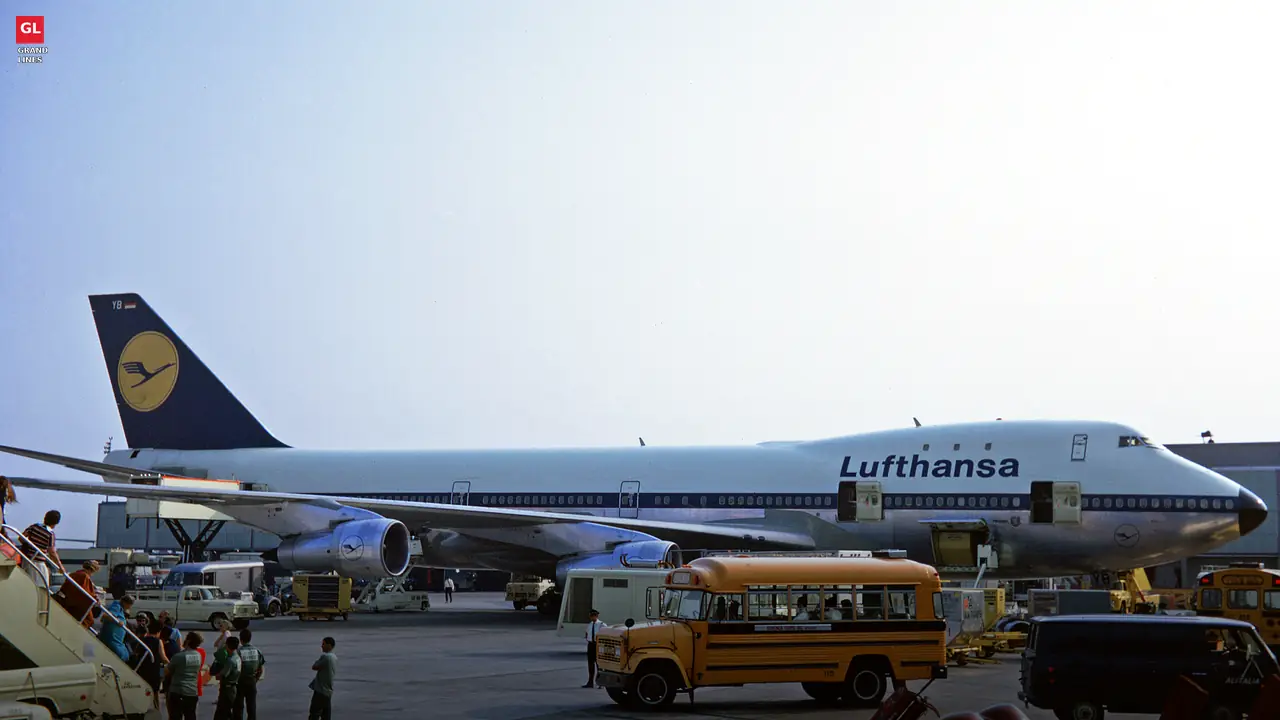
Within the hour they were gone, carrying at least forty parcels from the Lufthansa vaults at Kennedy Airport in New York: five million dollars in cash and $875,000 in jewels. It was the most successful cash robbery in American history. It had taken exactly sixty-four minutes.
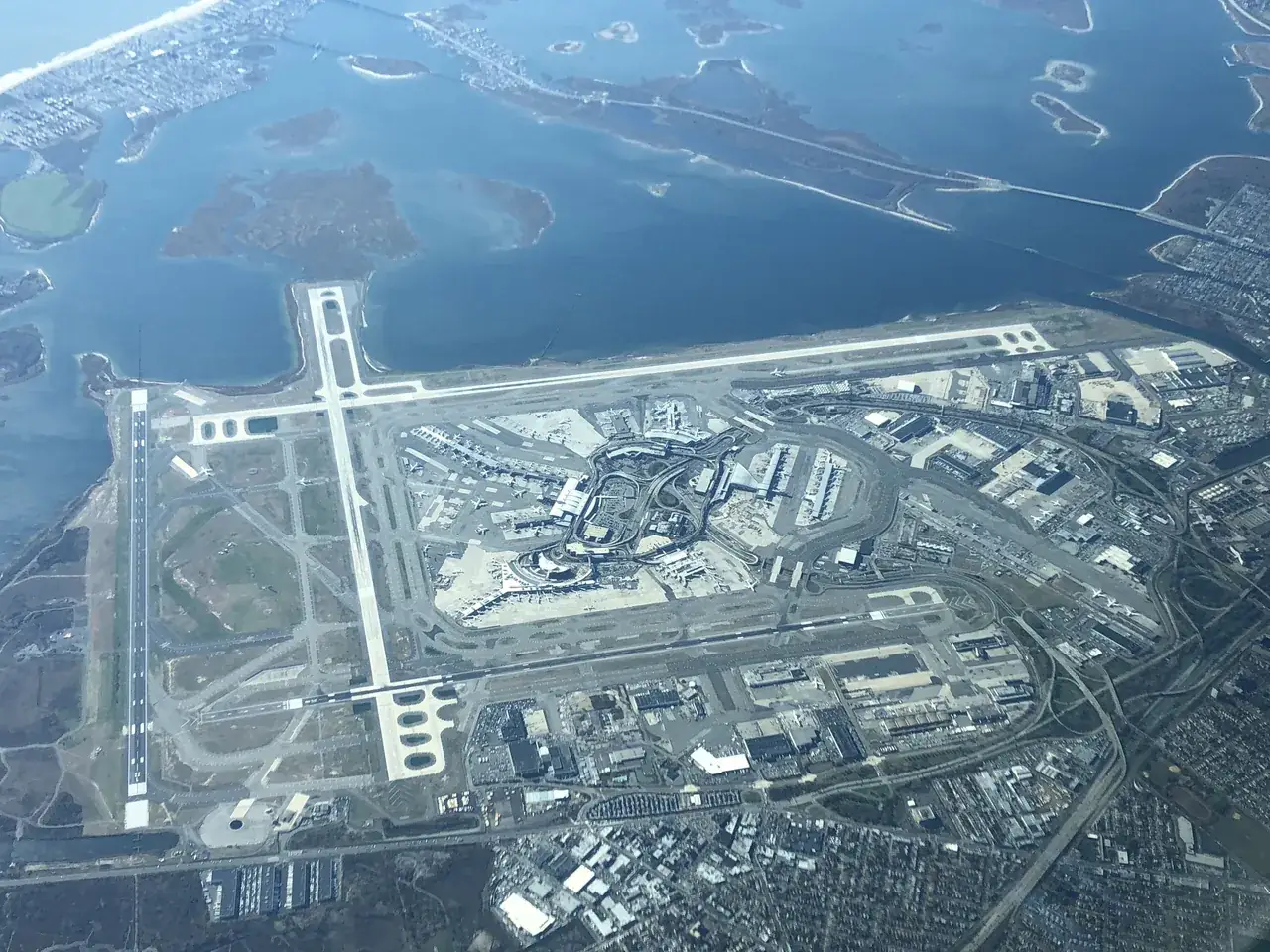
The robbery should have set the crew up for life. Instead, it became the beginning of the crew’s end: within months, the men who had carried it out were being murdered or disappearing, one by one. The money was never recovered.
It had begun with a gambler. Louis Werner, a 46-year-old Lufthansa cargo supervisor, owed about $20,000 to his bookmaker, Marty Krugman. Werner was supporting an estranged wife, a girlfriend, three children and a $300-a-day gambling habit on a salary of $15,000 a year.
Werner had something better than money to offer: a plan. Over months he had worked out the details: how many men, the best hour, how to beat the alarms, even where to park. The money arrived about once a month from West Germany. It was American currency, exchanged there by tourists and servicemen. Sometimes it sat overnight in the Lufthansa vaults before the armoured trucks came.
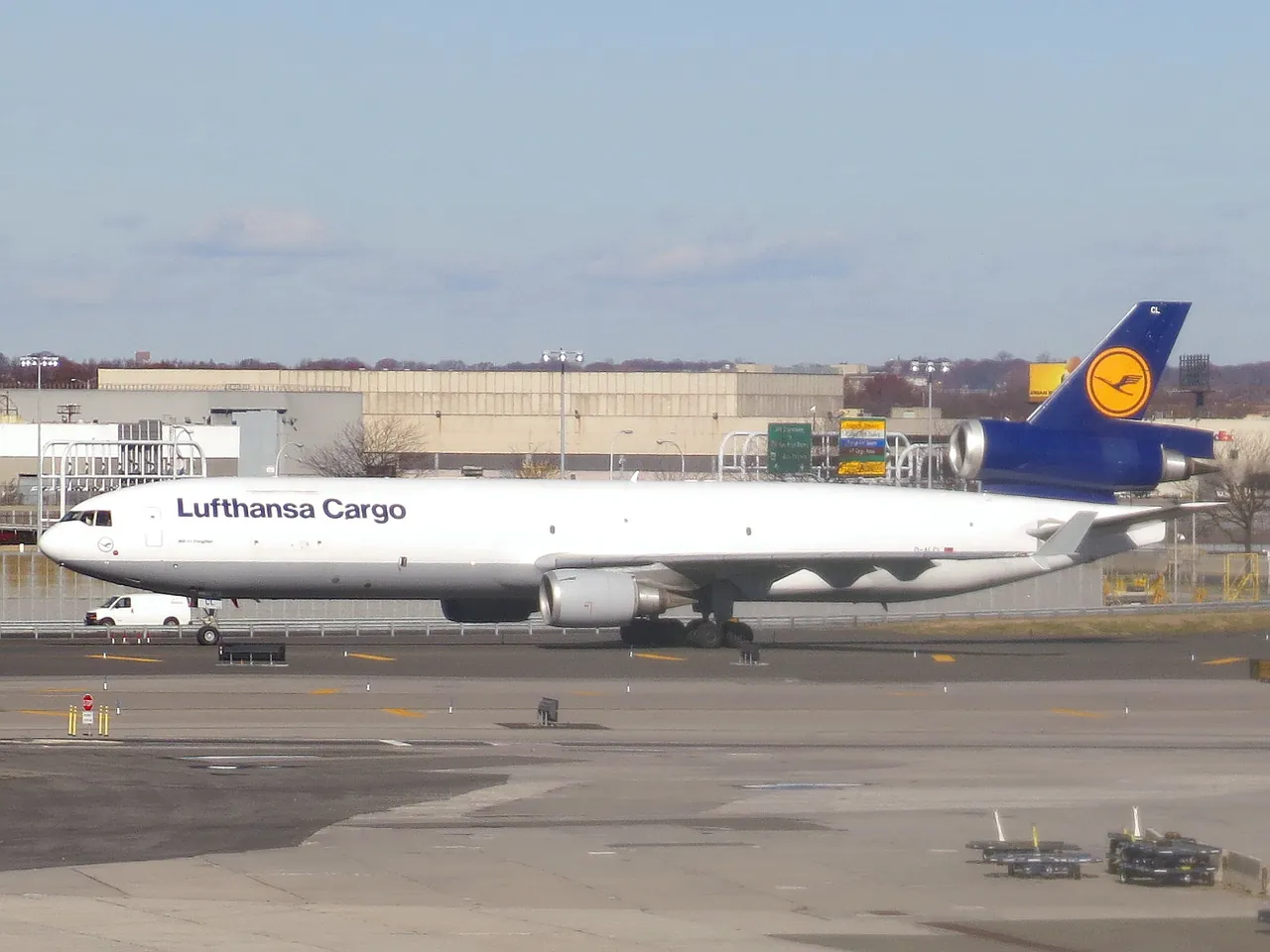
The tip reached Jimmy Burke, the crew’s leader, through Henry Hill, who had just come out of prison. Burke ran the job from Robert’s Lounge in Queens, lining up five or six men to go inside and two to wait outside. Tommy DeSimone, Angelo Sepe and Joe “Buddha” Manri were among them. Stacks Edwards was to get rid of the vans.
After Whalen, the gunmen took Rolf Rebmann, who had opened a door to investigate a noise. They took two more men from the high-security area. Then they marched the handcuffed men up three flights to the third-floor lunchroom, where six more employees were on their 3 a.m. meal break. Ten men were bound and gagged with plastic tape. The gunmen knew each man by name. They knew that only the night supervisor, Rudi Eirich, a Lufthansa man for twenty-one years, could open the double-door vault. They had the senior cargo agent, John Murray, call Eirich on the intercom, with a made-up problem about a shipment from Frankfurt.
Eirich hurried to the cafeteria and found two shotguns at the top of the stairs. He cooperated. The vaults were four-foot-thick cinder-block rooms behind double doors. A silent alarm inside the safe would sound at the Port Authority police station half a mile away if the inner door opened before the outer door was locked. The gunmen knew it all and even warned Eirich not to touch the alarm.
Inside the inner vault, among hundreds of similarly wrapped packages, the gunmen checked invoices and manifests to find the right parcels, then began throwing them out of the door. One landed inches from Eirich’s head. A work boot smashed it open. Under the paper wrapping he saw neatly bound stacks of banknotes.
They carried at least forty parcels out and loaded them into the van, then ordered the employees not to call the police until 4:30. The cafeteria clock said 4:16. One of the gunmen had taken off his ski mask while loading the van, sweating. Several employees had glimpsed his face. It was the only mistake of the night. It would matter.
 Police Recover Rs70 Million Gold Dumped in Fields by Fleeing Robbers
Henry Hill did not know the robbery had happened until ten o’clock on Monday morning, when he woke up and switched on the radio. He had spent the night drinking with Marty Krugman at a bar two miles from the airport. The radio could not agree on the figure: the FBI said two million dollars, the Port Authority police said four million, the city police said five. Lufthansa said nothing at all.
The trouble started with the van. Stacks Edwards was supposed to drive it to New Jersey to be crushed. Instead he got stoned, abandoned it on a street in Canarsie, a mile and a half from the airport. Then he went home to sleep. The police found it the next day: fingerprints, ski masks, a leather jacket and a footprint from a Puma trainer.
Three days after the robbery, at the crew’s Christmas party, Stacks joked about the Mafia men who had taken the millions. Paulie Vario, the crew’s boss, gave Jimmy Burke a look. That weekend, DeSimone and Sepe went to Stacks’s apartment. He was still in bed. They shot him six times. His body was found on 18 December.
Marty Krugman was next on Burke’s mind. On the drive home from the robbery, Burke had asked Hill, almost casually, whether Marty had told his wife about Lufthansa. Hill understood at once. “That’s how fast it takes for a guy to get whacked,” he later recalled. Krugman disappeared in January and was presumed dead.
That’s how fast it takes for a guy to get whacked.
Tommy DeSimone was told he was finally going to be “made”, admitted as a full member of the Mafia, the honour he had dreamed of. Two men from his own crew came to collect him. He dressed carefully and left smiling. He was never seen again. Hill writes that the Gambino family had him killed for murdering two of their made men without permission, with Paulie Vario’s approval.
The investigation had begun within hours. The FBI assigned more than a hundred agents to the case in the first two days. Informants named Burke and his crew before the day was out. Cargo workers picked DeSimone’s mug shot as the man who had removed his mask. Whalen picked Sepe’s as the man who had struck him. But identifications of men who “resembled” the robbers were not enough to charge anyone. Neither was the word of informants who would never testify.
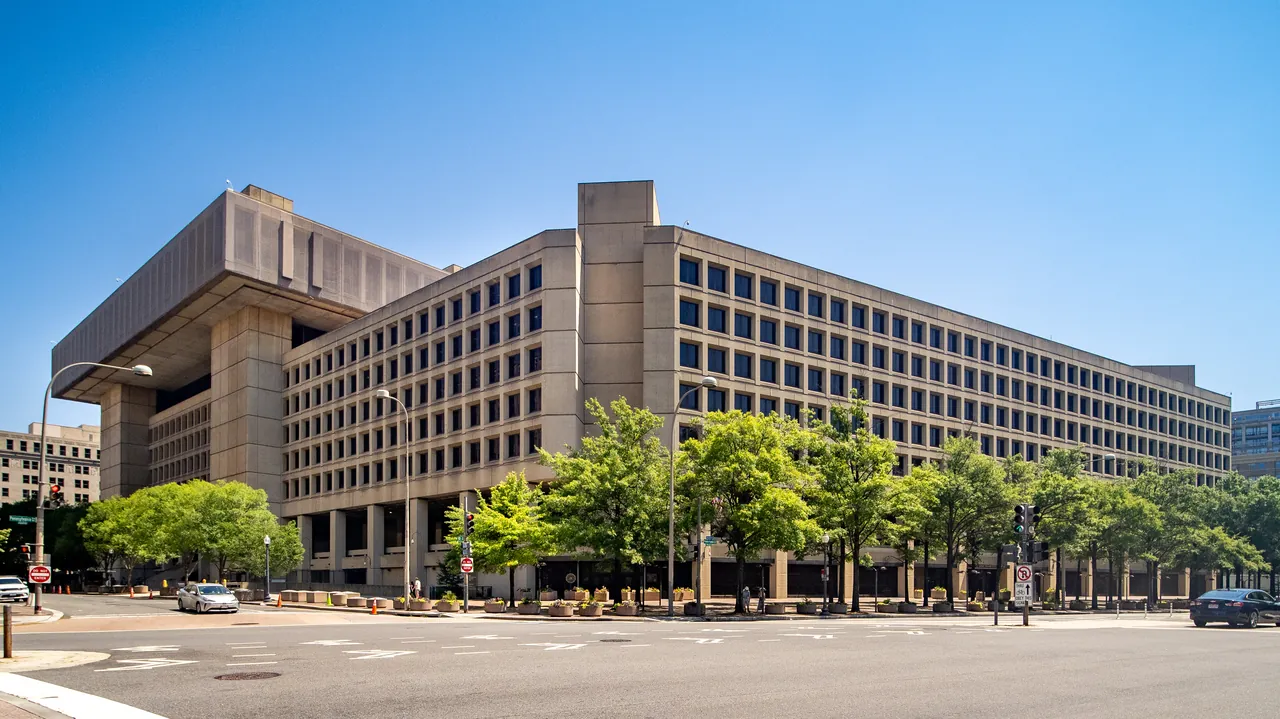
It was the inside man who broke first. Lufthansa’s own security men gave the prosecutor, Edward McDonald, Lou Werner’s name within hours of the robbery. Werner had stopped the Brink’s armoured truck from collecting the money on the Friday before the robbery, claiming he needed a cargo executive’s approval. He had told his estranged wife he was coming into “a great score”. He had told his friend William Fischetti and boasted to his girlfriend. Then he told his bartender the whole story, after swearing him to secrecy.
Fischetti cooperated. So did Peter Gruenewald, who had drawn up the plan with Werner and was arrested in February, trying to fly to Colombia. By Werner’s trial in April, five possible witnesses had been murdered or had disappeared. On 16 May, after a ten-day trial, Werner was found guilty of helping to plan and carry out the robbery, the only person ever charged with it. He faced twenty-five years in prison.
Werner had met only one member of Burke’s gang: Joe Buddha Manri, who had checked the plan and left $85,000 for him in two packages at an airport motel. Had Werner talked, he could have implicated Manri and no one else. But Manri was murdered before Werner could use him, a single shot to the back of the head. Werner’s way out was gone.
The money was never found. A third of it, Hill said, had been flown to Florida on the morning of the robbery, in a garbage bag inside a travel bag. Paulie Vario’s son had carried it first-class. The rest vanished with the men who had taken it.
Nicholas Pileggi told the story in his book Wiseguy, published in 1985. Five years later it reached the screen as Goodfellas. The robbery that should have been the crew’s crowning achievement had become the beginning of its end: sixty-four minutes of perfect planning, followed by months of murder.
Source: Nicholas Pileggi, Wiseguy (1985), Chapters 16–18.
Author Profile

- The Grand Lines covers news that impacts lives, uncovers truths, and keeps you fully informed.
Latest Entries
 CartoonNovember 16, 2026Faisalabad Cartoon: ‘Dad, petrol’s cheaper — but the fare’s the same!’
- CartoonNovember 16, 2026Faisalabad Cartoon: ‘Dad, the camera is watching!’
- BusinessNovember 15, 2026Salary Tax Calculator
- PakistanNovember 15, 2026Visa Fee Checker