
Key Points:
- Pakistan’s per capita water availability has fallen to 900 cubic metres, below the international scarcity threshold of 1,000 cubic metres
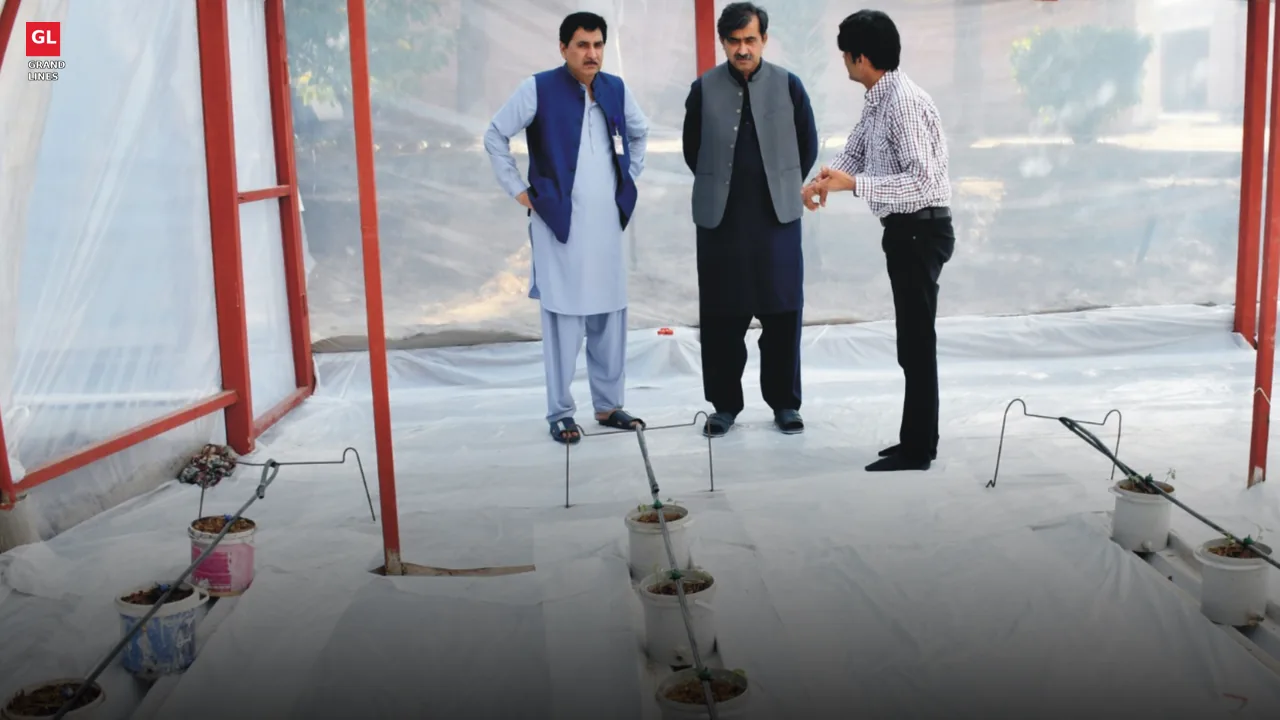
- Vice Chancellor Prof Dr Zulfiqar Ali visited the Water Management Research Centre and was briefed on bed planting, hydroponics, bio-fertiliser and clean water projects
- The centre is developing living-lab models from one-to-two-acre holdings up to 1,000 acres, with a Farmer Field Day planned for the Rabi season
FAISALABAD: University of Agriculture Faisalabad Vice Chancellor Prof Dr Zulfiqar Ali visited the Water Management Research Centre on Friday, where he was briefed on bed planting, hydroponics, bio-fertiliser and clean water projects.
According to the handout issued by the University of Agriculture Faisalabad (UAF), Prof Dr Zulfiqar Ali was flanked by Principal Officer Estate Management Dr Nadeem Akbar, Dr Ahmad Waqas, Dr Muhammad Tayyib and others.
The vice chancellor said Pakistan ranked among water-scarce countries, with per capita water availability at only 900 cubic metres, below the international scarcity threshold of 1,000 cubic metres.
He said per capita availability was steadily declining as the population increased. In his view, universities must spearhead technological solutions to maximise the output of this vital resource.
Prof Dr Zulfiqar Ali emphasised combining water-use efficiency with advanced farming methods such as drip irrigation and bed planting.
He said the centre aimed to develop models ranging from landholdings of one to two acres up to 1,000 acres, serving as a living lab for local growers. The models would demonstrate these concepts directly to growers.
The university said plans were under way to host a major Farmer Field Day during the Rabi season. The event would showcase the scalable technologies directly to the agricultural community.
The handout said the centre was collaborating with a community college to engage students and faculty, as part of the initiative to build a skilled local workforce.
The collaboration would ensure that farmers requiring professional support and students wishing to work independently were well trained in modern practices. These include drip irrigation, bio-fertiliser production and indigenous hydroponic rooting media.
The vice chancellor also praised researchers for using recycled materials, such as coconut coir collected from roadside vendors, to develop cost-effective growing solutions instead of relying on expensive imports.
Concluding the visit, Prof Dr Zulfiqar Ali commended the centre’s team for its dedicated efforts. He urged the team to share the resource materials widely with the farming community.
Read More: Climate change threatens water and food security, UAF seminar warns
Author Profile

- The Grand Lines covers news that impacts lives, uncovers truths, and keeps you fully informed.
Latest Entries
 BusinessNovember 6, 2026Gold Rate in Faisalabad Today: 6 November 2026
- FaisalabadNovember 6, 2026FESCO Withdraws Most Shutdowns Planned for November 8 and 9
- CrimeNovember 6, 2026Serious Crime Keeps Falling Across Punjab, IG Told
- CrimeNovember 6, 2026Man Shoots Himself to Fake Robbery Over Rs1.5m Debt