
By Saleem Mubarak
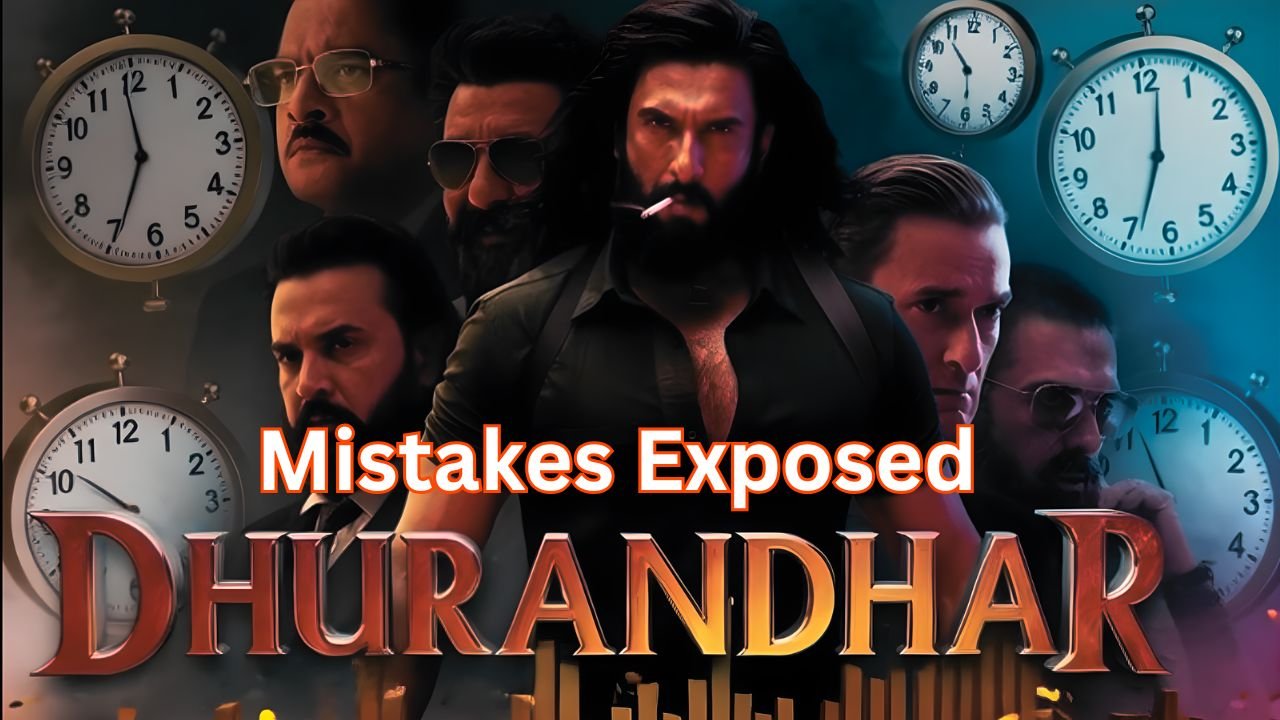
The Dhurandhar spy film controversy has sparked debate far beyond cinema, forcing audiences to confront how storytelling, politics, and history collide on screen.
One film, one screen, and emotional fault lines drawn between two countries. When Dhurandhar hit cinemas, no one imagined it would be more than entertainment—that it would also awaken history, politics, and fear.
This is not just the story of a spy. It is a story of power, fear, memory, and narrative. From the very beginning, the viewer is thrust into a world where gunfire, covert missions, and the roar of patriotism collide. But the real question is: when the film ends, does the noise fade away—or does it linger somewhere in the mind?
The question remains: is this merely a spy film? Or is it a narrative shaping perceptions of India–Pakistan relations? Perhaps the answer differs for every viewer. And that may be the very outcome India has unsuccessfully tried to achieve through this film.
Inside Dhurandhar — Plot, Characters, and Espionage
Dhurandhar is a Bollywood spy thriller in which Ranveer Singh plays the role of an Indian spy named “Hamza.” The story takes us into a dangerous, fast-paced world: the streets of Karachi, covert missions, gang wars, and clashes of patriotism.
Director Aditya Dhar claimed he set out to make the film as a large-scale political thriller. However, while the film offers action and suspense on one hand, its political messaging and selective use of history have also made it controversial.
Hamza is sent on a dangerous mission in Karachi. Here, gangsters, intelligence agents, and state interests are deeply entangled. Every alley, every room, every shootout represents a new move—a new deception.
Viewers say the film is not just about an external enemy. Hamza’s personal struggles, fears, and self-imposed sacrifices are also revealed. The film shows that in the world of espionage, every victory comes at the cost of personal sacrifice.
Violence, Realism, and Audience Reaction
Aditya Dhar gained fame in 2019 with Uri: The Surgical Strike. He later co-wrote and produced Article 370, which was widely praised in India.
Dhurandhar marks a major step for him—a bigger, more aggressive, and overtly political thriller.
Violence in Dhurandhar is not concealed. Brutal hand-to-hand combat in confined spaces, gunfire in narrow streets, and prolonged violent sequences create a suffocating experience for the viewer.
For some, this realism is compelling; for others, it is provocative. This contradiction fuels the controversy and, according to some, has become the film’s identity itself: the same scene can be art for one viewer and danger for another.
In India, the film received immediate attention. Fans praised Ranveer Singh’s performance and the action sequences. At the same time, questions were raised about its political message. Some argued that it should be viewed purely as entertainment, separate from politics. Others described it as a one-sided portrayal of India–Pakistan relations.
This raises another question: are viewers merely spectators, or do they become part of the narrative themselves?
Real Events, Fiction, and Ethical Responsibility
Online debates placed critics at the center of attention. Some faced personal attacks and hate messages. The Film Critics Guild released a statement condemning harassment and emphasized that dissent is a cornerstone of democracy. This moment highlighted not only the power of the film but also how a narrative can ignite intense debate.
The film incorporates several real-world incidents, including:
• the 1999 aircraft hijacking
• the 2001 Indian Parliament attack
• the 26/11 Mumbai attacks
But the question remains: when reality and fiction merge, who bears responsibility? By weaving historical events into Hamza’s mission, the film attempts to create a powerful emotional narrative—yet it forces viewers to ask whether what they are watching is fact or imagination.
Karachi is portrayed as a ruthless city marked by kidnappings, violence, gang wars, and alleged state patronage. Some critics see this as exaggerated; others find it alarmingly close to reality. This contradiction sparks debate among viewers—raising concerns that India is attempting to mislead people through cultural warfare.
Audiences must pause and consider how India may be unsuccessfully trying to impose its preferred narrative through cultural means. The question now is whether the film presents an authentic reality or merely a selective perspective.
Dhurandhar Spy Film Controversy and Its Impact Across Borders
Before its release, the film faced legal challenges. The family of a deceased military officer accused the film of being inspired by their life.
Aditya Dhar denied the claim, and the censor board approved the film as fiction. Still, the ethical question persists: when real events and audio recordings are used, where does moral responsibility end?
In Pakistan, the film has drawn strong criticism. Dawn newspaper and local critics expressed regret over the film’s negative portrayal.
Many viewers appreciated the action and music but labeled the narrative as propaganda. This shows that the film is not only stirring emotions in India but also in Pakistan—though from very different emotional perspectives.
Ordinary viewers often watch films purely for entertainment. In both India and Pakistan, many people enjoy cinema while distancing themselves from politics. Yet this trend reveals how national and historical narratives are increasingly embedded within cinema.
Dhurandhar is part of this broader trend: nationalist thrillers that blend history, politics, and entertainment.
It is being said that Dhurandhar is a strong, gripping spy thriller with high-quality acting, action, music, and technical execution. However, many argue that it would have been better had it not misrepresented facts. The consensus remains that its narrative is controversial.
Ultimately, the film forces us to ask: is cinema merely entertainment, or can it shape our thinking and our understanding of history?
The decision lies with the audience. Will we allow a film to remain just a film—or will we reflect on the messages hidden beneath its surface?
Author Profile

-
Saleem Mubarak is an investigative journalist, passionate writer, and keen observer of everyday life. His work combines humor, realism, and social insight to bring everyday stories to life with depth and clarity.
With a distinctive storytelling style, he brings ordinary moments to life through sharp wit and thoughtful commentary.
His writing often explores cultural trends, civic issues, and human behavior, engaging readers with both intellect and emotion.
Whether tackling serious topics or adding a touch of satire, Saleem’s words reflect his deep understanding of society and his commitment to meaningful expression.
Latest Entries
 LatestFebruary 21, 2026Crime Control Department Encounters: Justice or Death?
- BusinessFebruary 4, 2026Punjab Holidays Shock: Textile Exports Face Multi-Million Dollar Loss
- LatestJanuary 10, 2026FESCO Unannounced Load Shedding Hits Faisalabad Businesses
- LatestDecember 19, 2025Dhurandhar Spy Film Controversy Explained