
Staff Report
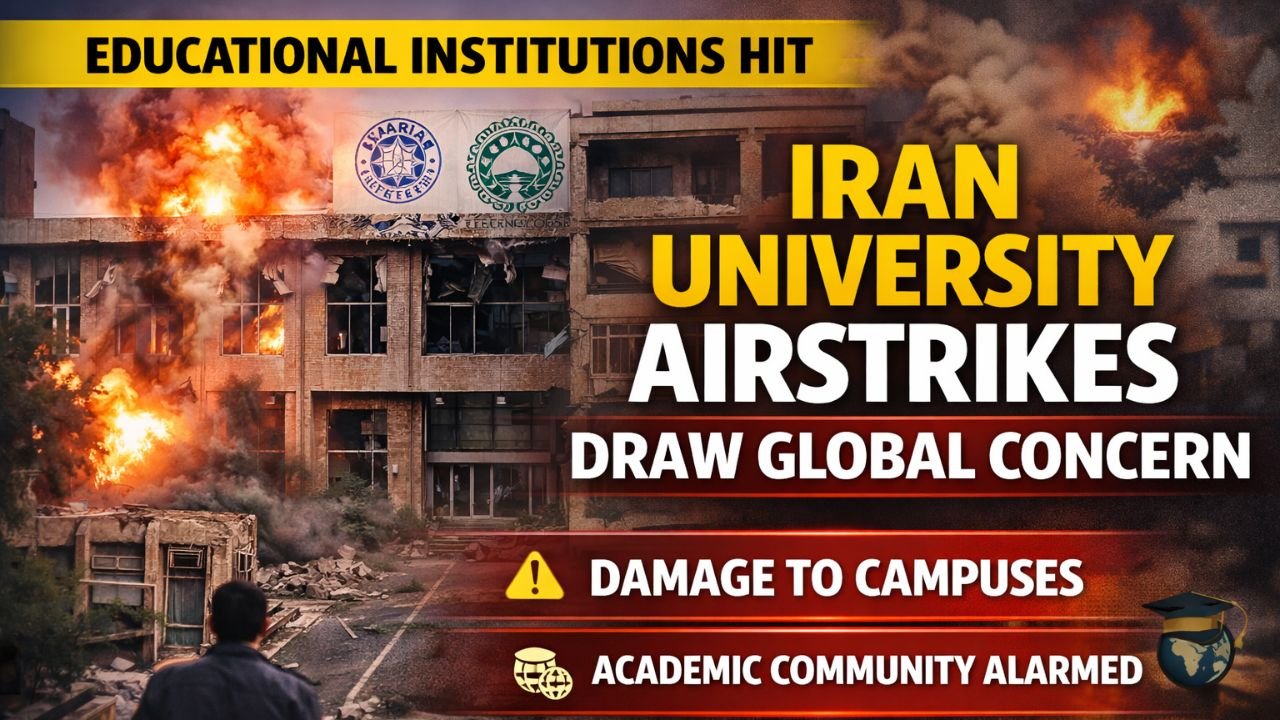
LAHORE–In the context of airstrikes on Iranian educational institutions and the broader theme of the protection of educational institutions in conflict zones, the Federation of All Pakistan Universities Academic Staff Associations (FAPUASA) strongly condemned the reported airstrikes on educational institutions across the Islamic Republic of Iran, including prominent institutions such as Sharif University of Technology and Iran University of Science and Technology.
According to international media reports, these incidents have resulted in significant damage to academic infrastructure, including research laboratories, university facilities, and places of worship within campuses, highlighting the alarming breakdown in the protection of educational institutions in conflict zones.
Reports further indicate civilian casualties and damage to residential areas in multiple cities. The targeting of educational institutions represents a deeply alarming development with far-reaching consequences for the global academic community and reinforces concerns around the protection of educational institutions in conflict zones.
Damage to Universities and Research Facilities in Conflict Zones
Universities and schools are sanctuaries of knowledge, innovation, and peaceful intellectual exchange. Any attack on such institutions raises serious concerns regarding compliance with international humanitarian law, including the principles enshrined in the Geneva Conventions, which emphasize the protection of civilian infrastructure during armed conflict and the safeguarding of educational institutions in conflict zones.
The destruction of centers of education and research undermines not only national development but also humanity’s collective pursuit of knowledge and progress under the fragile reality of conflict zones.
FAPUASA stands in solidarity with the academic community, scholars, students, and the people of Iran during this difficult time. The Federation underscores that targeting educational institutions threatens global peace, stability, and scientific advancement, and endangers intellectual communities worldwide, especially in environments already defined as conflict zones.
Violation of International Humanitarian Law and Protection of Educational Institutions
The Federation also expresses grave concern over any rhetoric suggesting retaliation involving educational institutions, emphasizing that universities must remain neutral, protected spaces under all circumstances and should never become targets in conflicts, particularly within the context of protecting educational institutions in conflict zones.
FAPUASA calls upon the international community to unequivocally condemn any attacks on educational institutions and civilian infrastructure, to ensure the protection of schools and universities in accordance with international humanitarian law, and to initiate independent and transparent investigations into the reported incidents within conflict zones where such violations occur.
FAPUASA Solidarity
It further urges all stakeholders to prioritize diplomatic dialogue aimed at de-escalating tensions and preventing further loss of innocent lives, while safeguarding academic freedom and protecting the global scholarly community from the far-reaching impacts of armed conflict and the erosion of educational institutions in conflict zones.
FAPUASA reiterates its steadfast commitment to peace, academic freedom, and the protection of educational institutions worldwide, especially in conflict zones where such protections are most at risk.
Call for Diplomatic Action and Protection of Education in Conflict Zones
The Federation calls upon international organizations, including the United Nations and the UNESCO, to take urgent and meaningful steps to prevent further escalation and uphold the sanctity of institutions of learning in conflict zones.
In this time of grief and concern, the academic community of Pakistan extends its deepest sympathies to the families of the victims and stands united with their Iranian counterparts in advocating for peace, justice, and the protection of education as a fundamental human right, particularly in conflict zones.
Author Profile

- Award-winning investigative journalist with 20+ years of experience across Pakistan's leading news organisations, including 15+ years as Senior Staff Correspondent at Dawn. Driven by a lifelong passion for investigative journalism and human rights, with a proven record of hard-hitting stories that forced official action — from hospital negligence and illegal land grabs to harassment probes and social injustice. He is the recipient of the K.C. Kulish International Award for Excellence in Print Journalism.
Latest Entries
 CrimeOctober 25, 2026Eight Days On, Faisalabad Murder Case Awaits Official Word
- BusinessOctober 22, 2026Loom Owners Warn Textile Imports Displace Local Industry
- CrimeOctober 22, 2026Playing Judge and Jury Behind Closed Doors?
- CrimeOctober 19, 2026Who Killed Rehan Ashraf? Industrialist Gunned Down as Safe City Cameras Watch Silently