
Key Points:
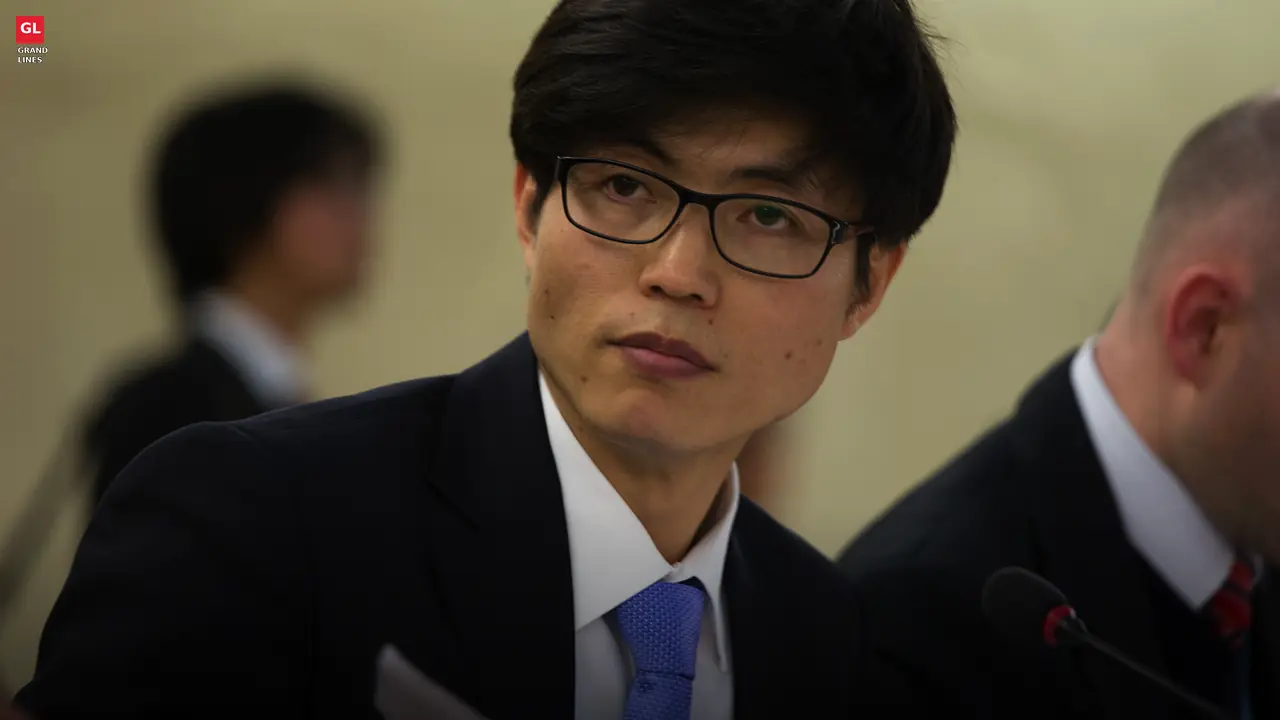
- Shin Dong-hyuk was born inside Camp 14 and had never been outside it until the night of 2 January 2005.
- His friend Park Yong Chul died on the electrified fence; Shin crawled over his body to freedom.
- Within a month he had walked into China; within four years he was living in southern California.
On 2 January 2005, a prisoner crawled over his friend’s dead body to escape North Korea’s cruellest camp.
The dead man was Park Yong Chul, his only friend in the camp. Park had gone through the fence first and the electricity current had killed him. Shin Dong-hyuk had crawled over his body to freedom.
Shin was twenty-three years old. He had been born inside Camp 14 and had never been outside it. No one born in a North Korean camp had ever escaped before him. As far as Harden could determine, Shin is still the only one.
Camp 14 was a complete control district, one of six labour camps in North Korea.
It held about fifteen thousand prisoners near Kaechon, in South Pyongan Province.
Shin’s crime was his birth. His father’s two older brothers had fled to the South during the Korean War in 1951.
The family was seized in 1965 and taken to Camp 14. Under North Korea’s law of guilt by association, the children of a wrongdoer were imprisoned with him.
Shin grew up on corn porridge, pickled cabbage and cabbage soup, the same meal nearly every day for twenty-three years.
His mother beat him with a hoe or a shovel when he stole her lunch. His father was allowed to sleep with his mother only five nights a year. His brother was a stranger to him. He had never heard the word love.
At thirteen, Shin betrayed his own family. He overheard his mother and his brother planning to escape.
Camp rules said that any witness to an escape plan who failed to report it would be shot at once. Shin ran to the school’s night guard and told him everything, in exchange for more food and an easier school post.
The guard took the credit for himself. Shin was arrested anyway and tortured over a fire in an underground prison. He watched as his mother was hanged and his brother was shot.
He did not admit for fifteen years that he had been the one who informed on them.
The man who changed Shin’s life arrived in the camp in the autumn of 2004. Park Yong Chul was in his mid-forties, short and stout, with a shock of white hair.
He had been the chief of a tae kwon do training centre in Pyongyang. He told Shin that with his right hand he had shaken the hand of Kim Jong Il.
The camp superintendent ordered Shin to befriend Park and report everything he said.
Park talked. He told Shin about China, the giant country next door, where people were getting rich. He told him about South Korea, where everyone was already rich.
He explained money and television. Most of all, he told stories about grilled meat. For Shin, who was always hungry, freedom came to mean grilled meat.
Shin made the first free decision of his life. He chose not to inform on Park. Informing had always paid.
It had saved his life and brought him food and easier work. But Park’s stories were worth more to him than an extra serving of cabbage.
In his reports to the superintendent, Shin told a liberating lie: Park, he said, had nothing to say. Park had crossed into China with his wife and stayed eighteen months with his uncle before he was detained on his return and sent to Camp 14.
In mid-December 2004, Shin decided he had had enough. Guards had given ten prisoners a cloudy liquid to wash with. Within a week the ten had boils on their skin. Their skin began to rot.
Shin watched a truck arrive and take them away. He never saw them again. That was when he began to think about escape. The plan was simple. Shin knew the camp. Park knew the world. Shin would get them over the fence.
Park would lead them to China.
The chance came on 2 January 2005, the second day of the factory’s New Year closure. Shin’s crew was sent to a mountain ridge on the eastern edge of the camp to trim trees and stack wood.
It stood beside the fence that ran along the top of the ridge. The night before, he had shared a last supper with his father and said nothing about his plan.
Early the next morning, a foreman herded Shin, Park and about twenty-five other prisoners up the mountain. They worked near the top of the slope. The fence stood about ten feet high: seven or eight strands of high-voltage barbed wire, spaced about a foot apart.
A guard tower rose a quarter of a mile to the north. Guards patrolled in pairs, with long gaps between patrols.
The foreman was a prisoner himself and carried no weapon. Shin and Park decided to wait for dusk.
At about four o’clock, the two men sidled towards the fence. Park’s nerve began to fail him. “I don’t know if I can do this,” he whispered. “Can’t we try it some other time?” Shin told him there would not be another chance.
“Let’s run!” he yelled. He grabbed Park’s hand.
The plan had been for Shin to stay in the lead. But he slipped and fell to his knees on the icy patrol trail. Park reached the fence first.
Park pushed his arms, head and shoulders between the two lowest strands. Seconds later, Shin saw sparks and smelled burning flesh. Park stopped moving. The weight of his body had pulled the bottom wire down against the snow, leaving a small gap.
Shin crawled over his friend’s body, using it as a kind of insulating pad. His lower legs slipped off Park’s body and touched the bottom wire.
The burns ran from his ankles to his knees. The wounds bled for weeks.
 Sixty-four minutes, $6 million, and the murders that followed
If Shin had not slipped in the snow, he would have reached the fence first and probably died. Park’s body, lying on damp ground on top of the bottom strand, had shunted the current from the fence into the ground.
Shin’s luck had been astoundingly good. Park’s had been terrible.
Shin ran downhill for about two hours, through snow, in cold well below ten degrees Fahrenheit, with no coat. He had no idea where China was. Park, dead on the fence, had not told him.
No one chased him. In a farmer’s shed half buried in a hillside, he found three ears of dried corn and ate them. He found cotton shoes and a worn military uniform.
He bandaged his burned legs with pages torn from a book in the shed. In the uniform he no longer looked like an escaped prisoner.
Outside the shed he found a road. He followed it down to a village on the Taedong River. For all his running, he was only two miles from Camp 14. He crossed a bridge and followed a deserted railway track.
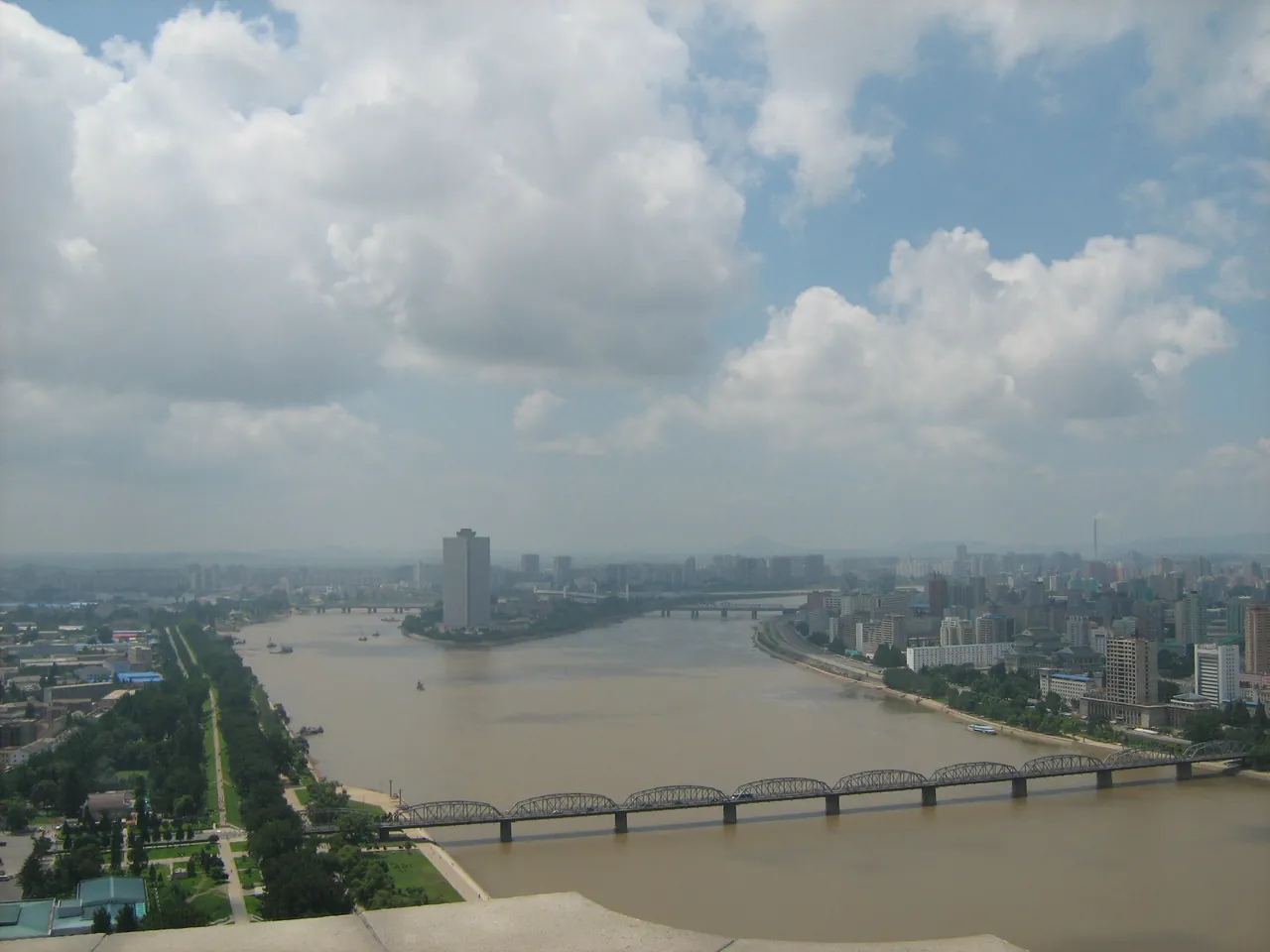
By late evening he reached Bukchang, a coal town of about ten thousand people. He slept in a pigpen, buried in rice straw.
For two days he scavenged around Bukchang. What shocked him most was the ordinary life around him.
People laughed in the streets and haggled in the market, without taking orders from guards. He expected armed men to step in and stop it.
In an empty house he found three bowls of cooked rice, soybean paste, winter trousers, shoes, a rucksack and a dark brown winter coat.
He took a ten-pound bag of rice from a kitchen drawer and sold it in the town market for four thousand won, worth about four dollars at black-market rates.
He had only just learned that money existed. He bought crackers and cookies and walked out of town.
A truck carried him sixty miles to Hamhung. From there he rode a boxcar towards Chongjin, in the far north.
At Gilju a young man offered him shelter, borrowed his coat to greet his parents and never came back. For twenty days he roamed Gilju with no coat and no money.
Homeless teenagers showed him how to survive, digging up radishes by day and sleeping in haystacks at night.
Traders told him about the Tumen River, which forms about a third of the border between North Korea and China.
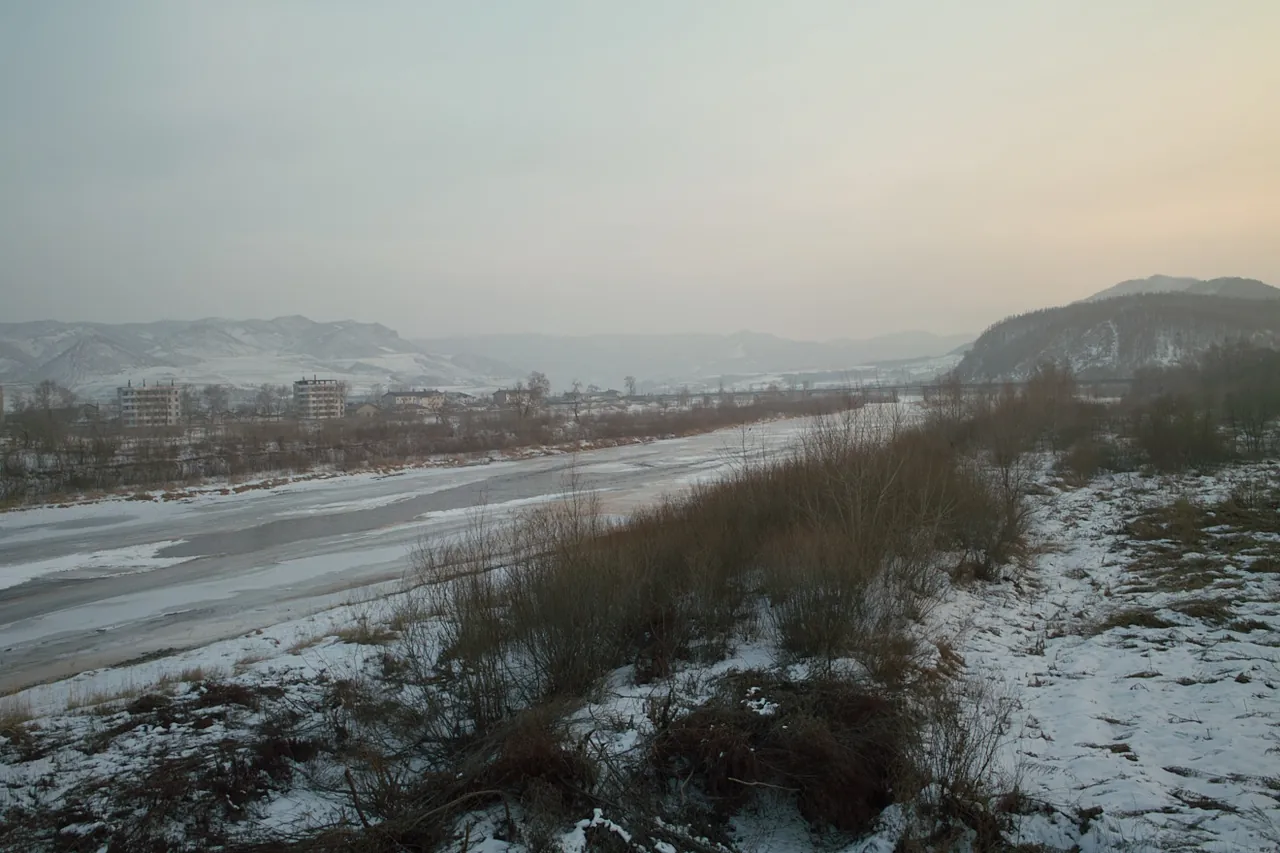
He rode to Gomusan, twenty-five miles from the border. An old man at the station explained where to cross. Most of the guards, he said, took bribes.
Shin walked eighteen miles to the river, bribing his way past four checkpoints with cigarettes and crackers. The last guard looked about sixteen years old. “I’m dying of hunger here,” he said. “Don’t you have anything to eat?” Shin gave him sausage, cigarettes and candy.
The guard led him through a forest to the river. The river was about a hundred yards wide. Halfway across, he broke through the ice. He crawled the rest of the way to China.
Within a month of his escape, Shin had walked into China. Within two years he was living in South Korea. Four years later he was living in southern California, working for Liberty in North Korea, an American human rights group.
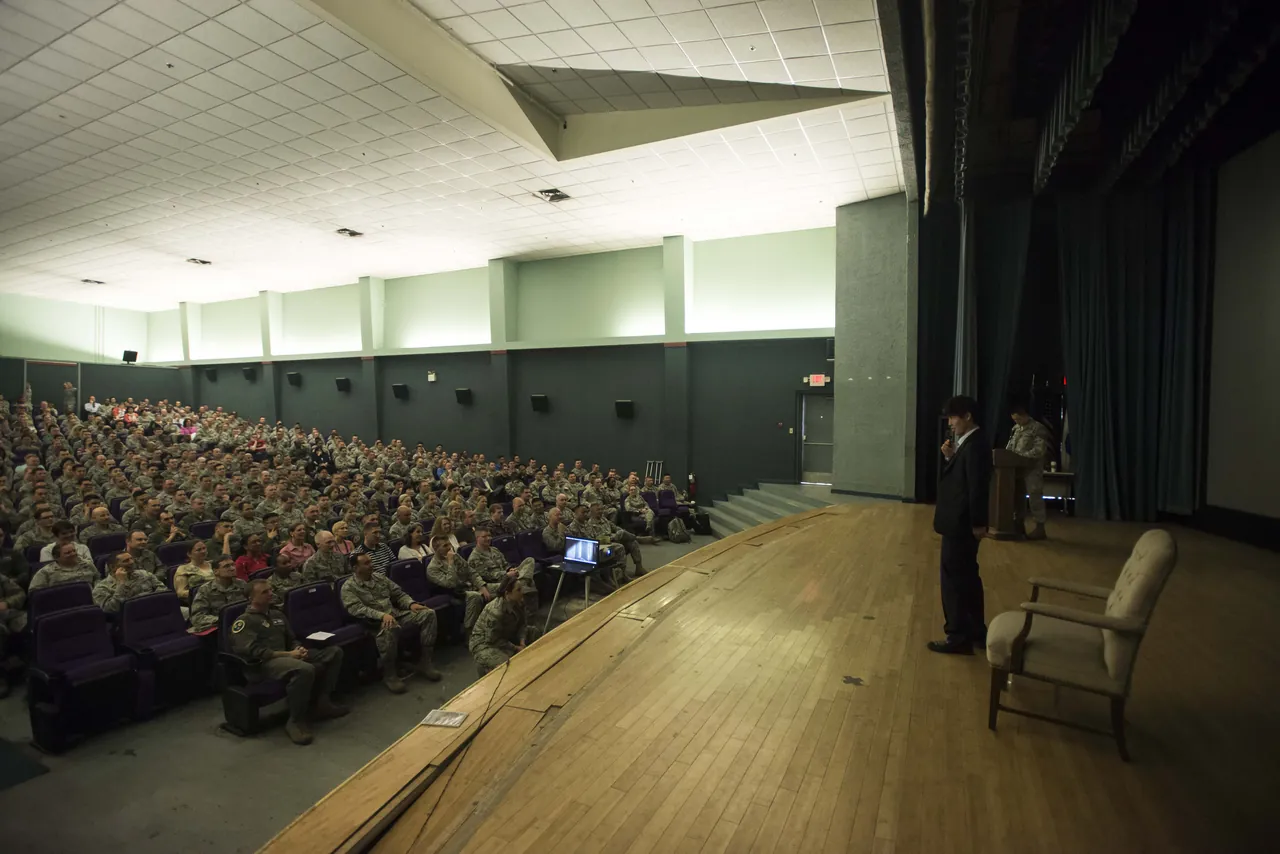
He had changed his name to Shin Dong-hyuk. But freedom had not undone the camp. “I escaped physically,” he said. “I haven’t escaped psychologically.”
I escaped physically. I haven’t escaped psychologically.
Harden’s book, published in 2012, was built on seven rounds of interviews with Shin in Seoul, Torrance and Seattle. The camps held an estimated hundred and fifty-four thousand prisoners, by the South Korean government’s count.
Shin remains the only person born in a camp to escape and tell his story.
Source: Blaine Harden, Escape from Camp 14 (2012), Introduction and Chapters 13–18.
Author Profile

- The Grand Lines covers news that impacts lives, uncovers truths, and keeps you fully informed.
Latest Entries
 True StoriesNovember 17, 2026Born in a prison camp, free over a friend’s dead body
- Predictive AlertsNovember 17, 2026Faisalabad AQI 209 Very Unhealthy on Tuesday Morning
- CrimeNovember 16, 2026Faisalabad police sweep nets 19 drug sellers, 2,000 kites
- PunjabNovember 16, 2026Punjab to bring its own Anti-Rape Act, special courts