
Key Points:
- Faisalabad began as grazing area called the Sandal Bar, with no town and no village estate.
- The canal opened as a perennial canal in 1892 and the colony grew to 791,861 people by 1901.
- Lyallpur was planned in 1896 and named for Sir James Lyall, who had left Punjab four years earlier.
- The district was constituted on 1 December 1904, mainly of villages transferred from Jhang.
- The city became Faisalabad in 1977 and the district followed in 1979.
FAISALABAD: Faisalabad began as grazing area whose history runs from a dacoit’s name to a canal colony.
The old names are back in debate. The Divisional Commissioner has proposed Tehsil City become Lyallpur and Tehsil Sadar become Sandal.
This is the first piece of Faisalabad Speaks, a new Grand Lines series on the city's issues. It tells the backstory of the rename, date by date, from the gazetteers that recorded it.
Every date below comes from a printed record. The proof sits beside each claim, photographed from the gazetteer’s own page.
Each week the series gives one group of Faisalabad a hearing, in its own voice. The history comes first, because the names the city argues about are the names this story explains.
The story starts before the city existed, in a Bar with no town at all.
Before 1892: the Bar
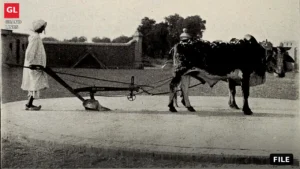
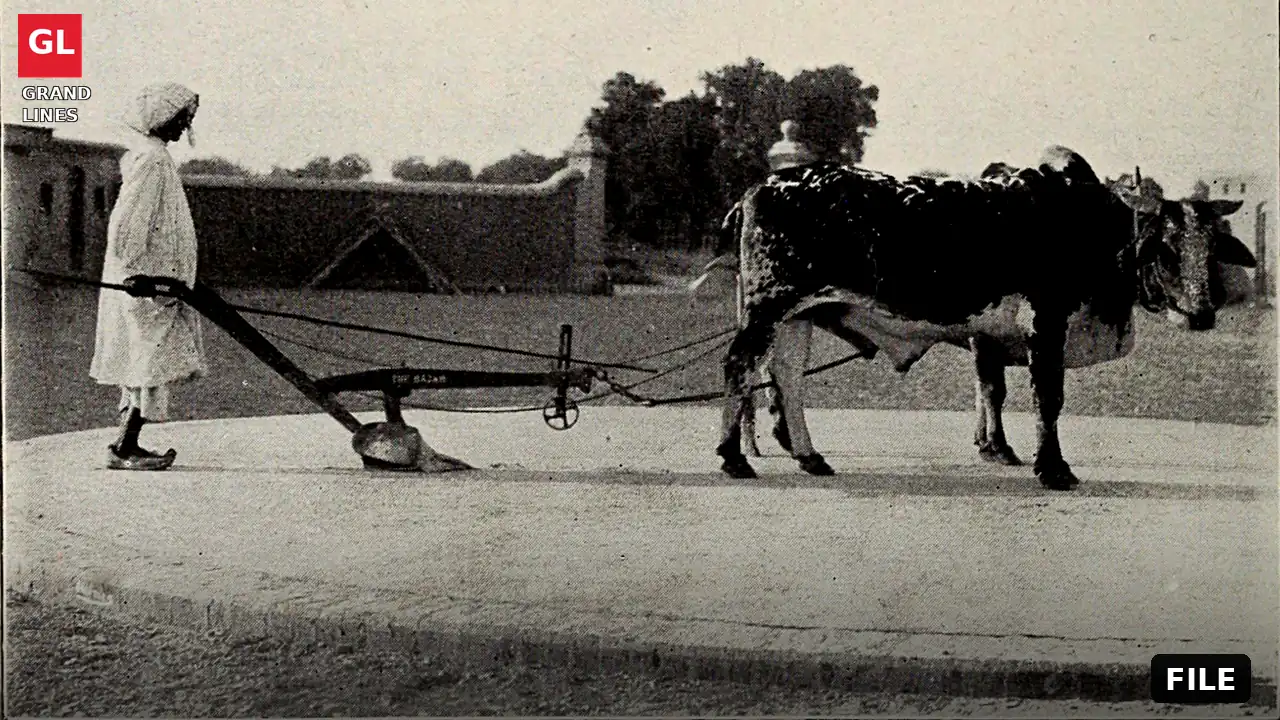
The Sandal Bar was the scrubland between the Chenab and the Ravi, in the Rechna Doab. Rain in its centre and south stayed below five inches a year.
The Bar’s soil was judged by its grass. Pilu, jand, phog, karil and farash grew where the soil allowed, while no grass grew kindly on kallar.
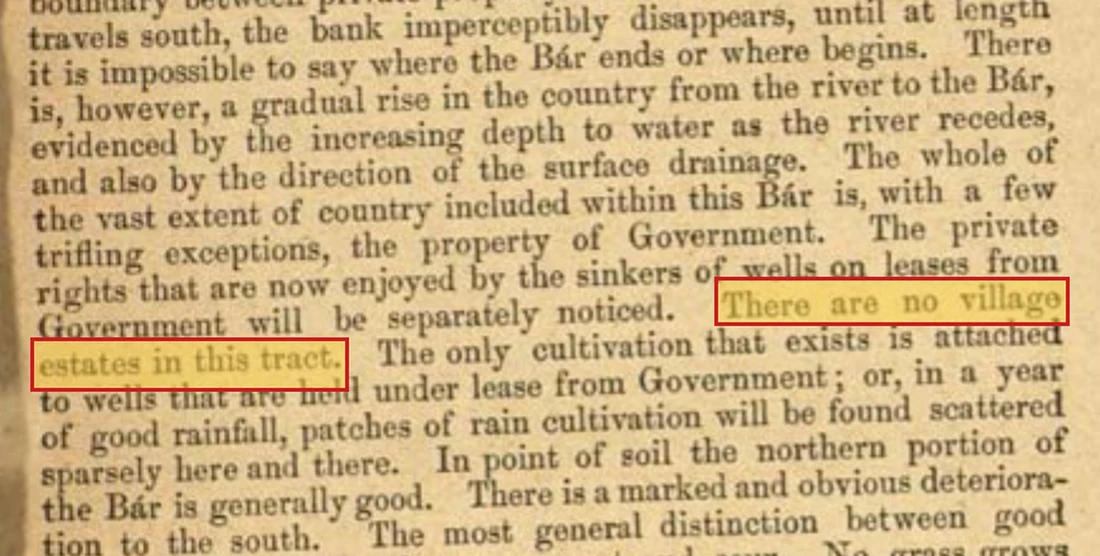
No town stood in the Bar and no village estate existed. The whole tract belonged to the Government, its only cultivation attached to wells held on lease.
The Bar’s people were semi-nomadic graziers known as the Janglis, who lived by their herds. Kharrals, Sials, Bhattis, Balochs and Wattus moved with their herds, following grass and water.
The greater part of the Bar was subject to the Sials of Jhang. The Rajoa Sayads were recognised as suzerains from Chiniot to Pacca Mari, now Lyallpur.
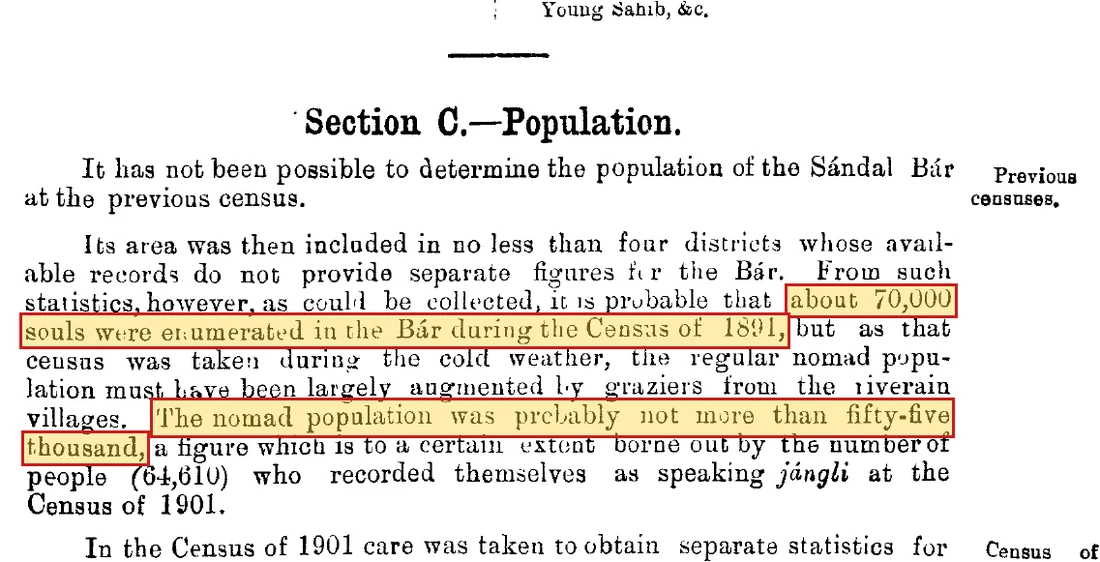
The 1891 census counted about 70,000 souls in the Bar. The gazetteer put the true nomad population at probably no more than 55,000, since cold-weather graziers swelled the count.
Water lay ninety feet down in the centre of the Bar. Beneath the old mounds it lay over a hundred feet down.
The old mounds argued an older settled time. The best known, Pacca Mari, stood on the eastern side of the future civil station.
The town itself was first designed for a site near another mound, Pacca Anna. It was built at Lyallpur instead.
The name: Sandal
The Chenab Gazetteer says the Bar took its name from a man. The story goes that a dacoit named Sandal gave his name to the Bar.
Sandal, the gazetteer says, refused the Kharrals grazing unless they gave him a wife. When he came with his followers to take the bride, the Kharrals blew them up with gunpowder hidden under the grass.
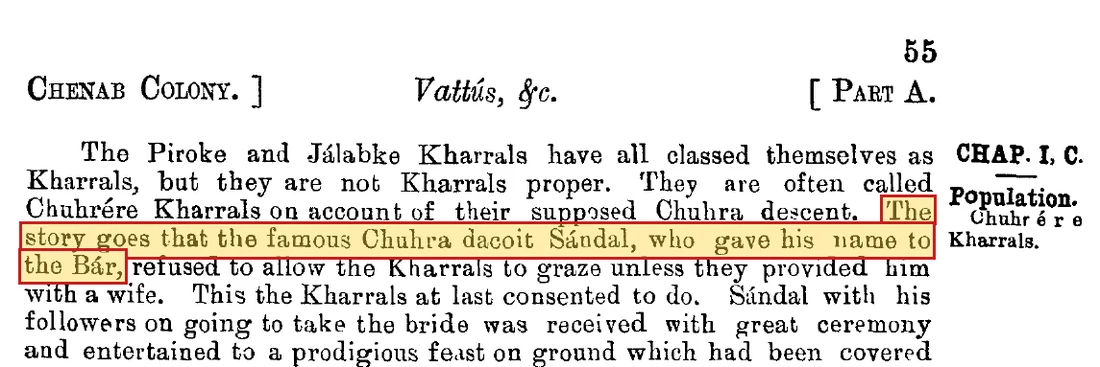
The gazetteer tells the tale as tradition, not as documented fact. Its opening words are “The story goes”.
Another tale names Sandal, grandfather of the folk hero Dulla Bhatti, as the Bar’s namesake. No gazetteer records that version, so neither tale stands as documented fact.
1892: the canal
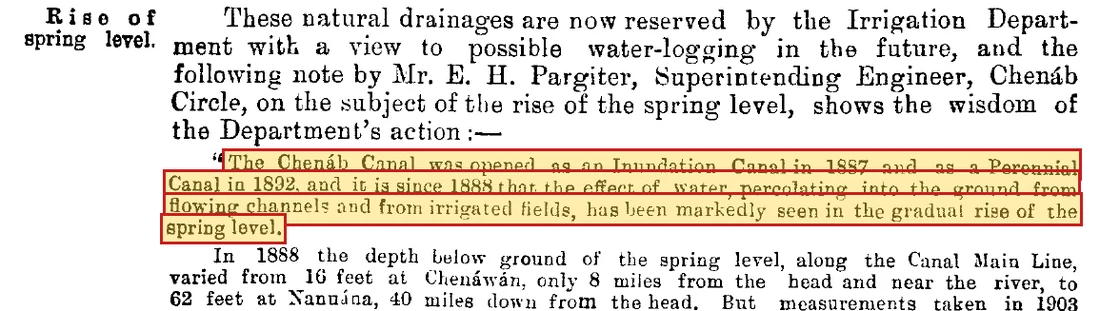
The Chenab Canal opened as an inundation canal in 1887. It became a perennial canal in 1892.
Until 1892 the vast area held no more than 70,000 nomads. The Imperial Gazetteer puts it plainly: the colony’s tract was sparsely inhabited by nomad pastoral tribes.
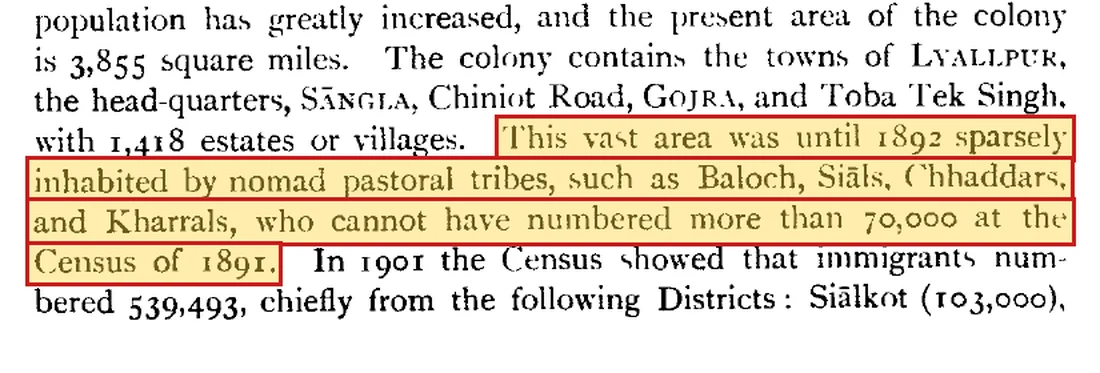
Colonisation began in 1892 and was practically complete by 1904. By then over 1,800,000 acres had been allotted to colonists from across Punjab.
Government waste was divided into squares of 27.78 acres and allotted to capitalists, yeomen and peasants, with immigrant peasant grantees taking 948,000 acres while Sandal Bar nomads took 254,800.
The main line ran 250 feet wide at the bed, carrying 11,000 cubic feet of water a second. Its main channels ran 426 miles in all.
Read More:
 Lyallpur name may return after 47 years
1896: the town is planned
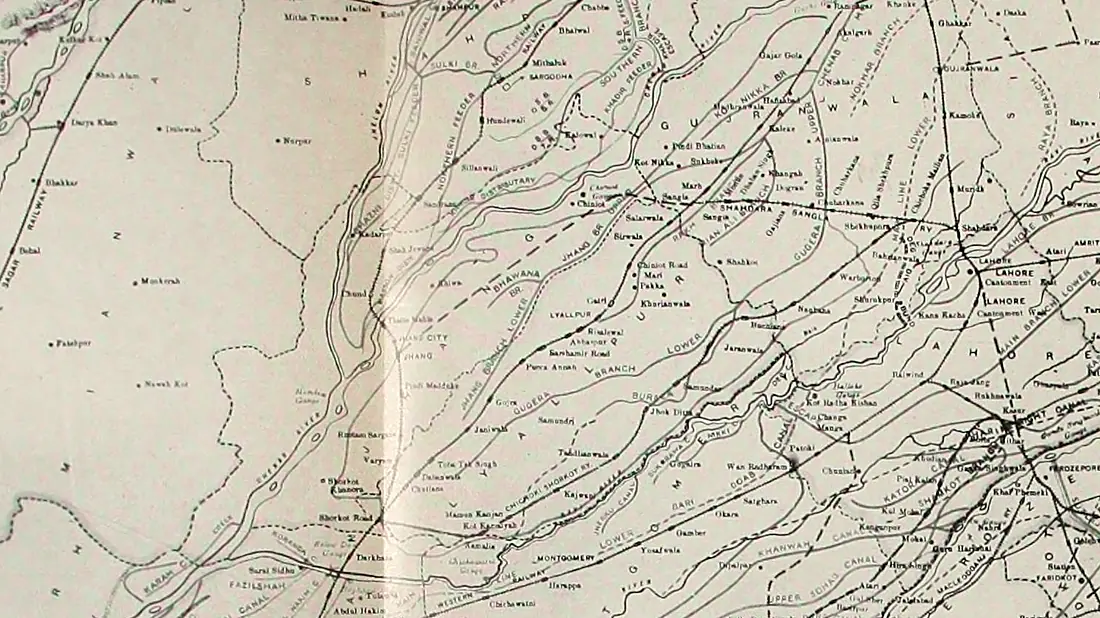
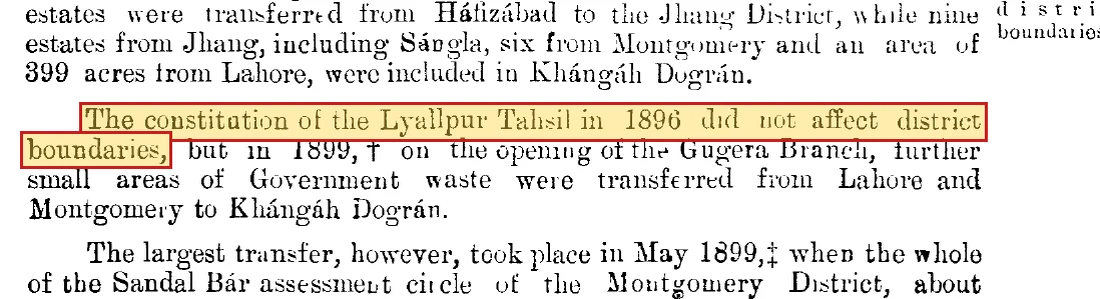
Lyallpur Tahsil was constituted in 1896, inside Jhang district. The town was planned the same year by Captain Frank Popham Young, the colony’s colonisation officer.
The railway reached Lyallpur in 1896 and a new market town rose beside it. The colony headquarters moved there at once from Shahkot, where they had first been placed.
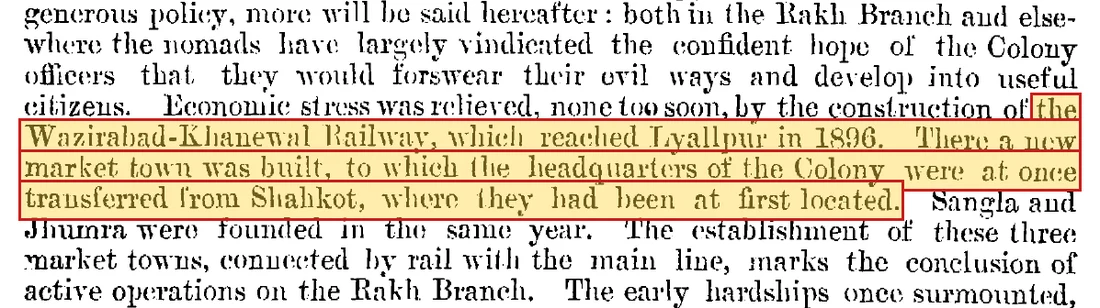
Sangla and Jhumra were founded in the same year. By 1899 the railway had reached Toba Tek Singh, preparing the way for Gojra and Toba Tek Singh town.
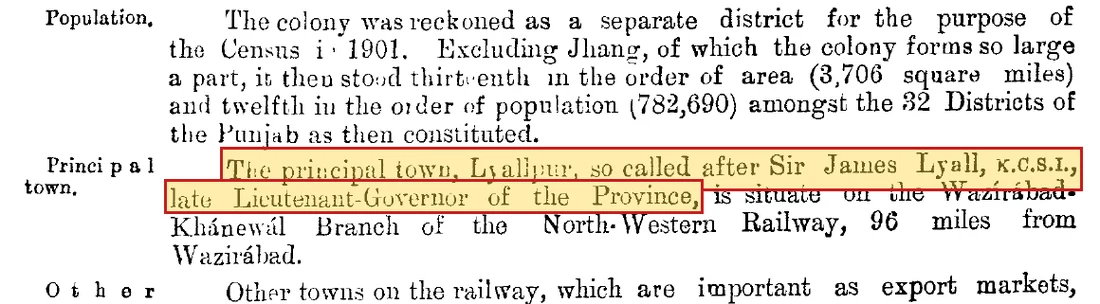
The town was named for Sir James Broadwood Lyall, who had governed Punjab as Lieutenant-Governor from 1887 to 1892. He had left the province four years before the town was laid out, so the name was a tribute.
Lyall is often confused with another man.
Sir Charles James Lyall was an Arabic scholar rather than the Lieutenant-Governor, so the town was not named for him.
The plan set eight bazaars around a central square, joined by a circular ninth road. The eight were Rail, Katchery, Chiniot, Aminpur, Bhawana, Jhang, Montgomery and Karkhana.
Sir Ganga Ram is sometimes credited with the town’s architecture. The district history credits Young alone, so this feature treats Ganga Ram as an adviser at most.
The town became a municipality in 1898.
By 1906 it held 13,483 people and ranked among the province’s great wheat depots.
1899: the ballad
A Punjabi ballad of 43 stanzas, sung by a blind poet known as the Kana, marked Captain Young’s departure from the colony in 1899.
The gazetteer prints it as the people’s own tribute.
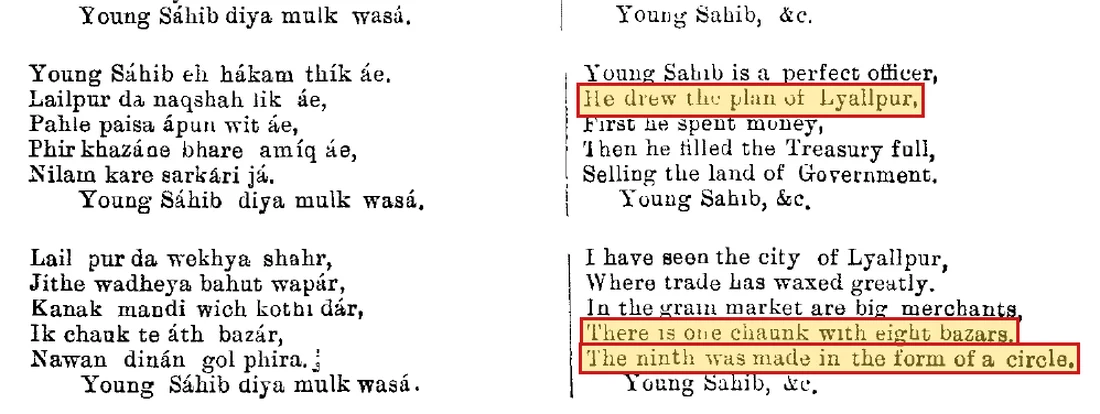
The ballad’s verdict on Young Sahib is plain: “He drew the plan of Lyallpur.”
It goes on: “First he spent money, then he filled the Treasury full.”
The same ballad counted the bazaars: one chaunk with eight bazaars, the ninth made in the form of a circle. It is a contemporary popular tribute, not an official record.
1901: the colony counted
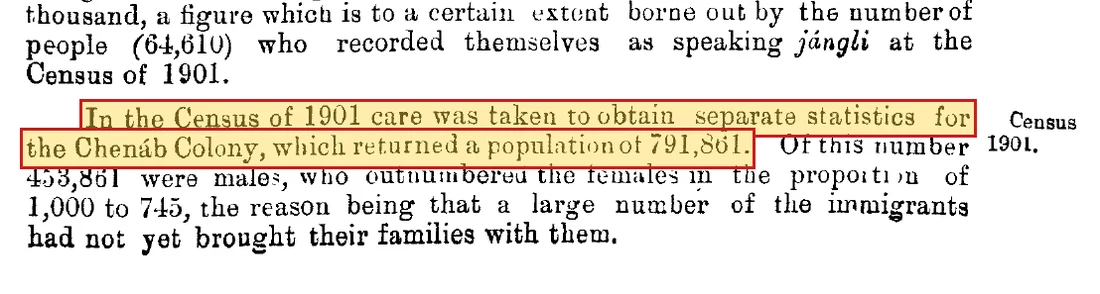
The 1901 census counted the Chenab Colony at 791,861 people. The Chenab Gazetteer records 453,861 of them as males.
Immigrants numbered 539,493, chiefly from Sialkot, Amritsar, Jullundur and Gurdaspur. Sialkot alone sent 103,000 people to the new colony.
The Imperial Gazetteer gives a different colony figure, 782,690, on a different basis. This feature uses the Chenab Gazetteer’s 791,861 and never blends the two.
1903–1905: Ghanta Ghar
No gazetteer mentions the clock tower, so its dates come from the district history and the press.
The foundation stone was laid on 14 November 1903 by Sir Charles Rivaz, then Lieutenant-Governor of Punjab.
The tower was inaugurated on 13 December 1905, in memory of Queen Victoria.
Its plaque says it was erected by the inhabitants of the Chenab Colony in grateful remembrance of the Empress Queen Victoria.
The inaugurator’s name is disputed, so this feature gives the date without it. Neither the architect nor the cost is settled, so neither is stated here.
1 December 1904: the district
The Chenab Gazetteer, written before the district existed, already looked ahead to it.
It said a separate district would be formed at Lyallpur, though the date was not yet known.
The date came on 1 December 1904. The new district was formed mainly of villages transferred from Jhang, with additions from Montgomery.
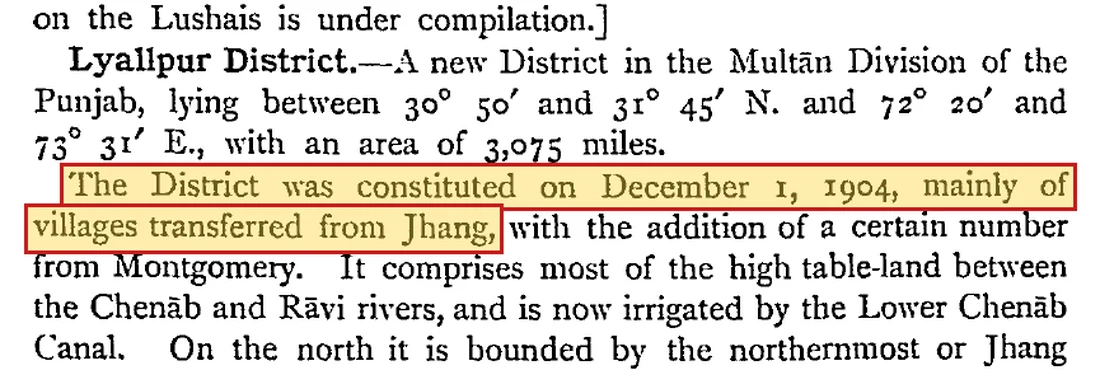
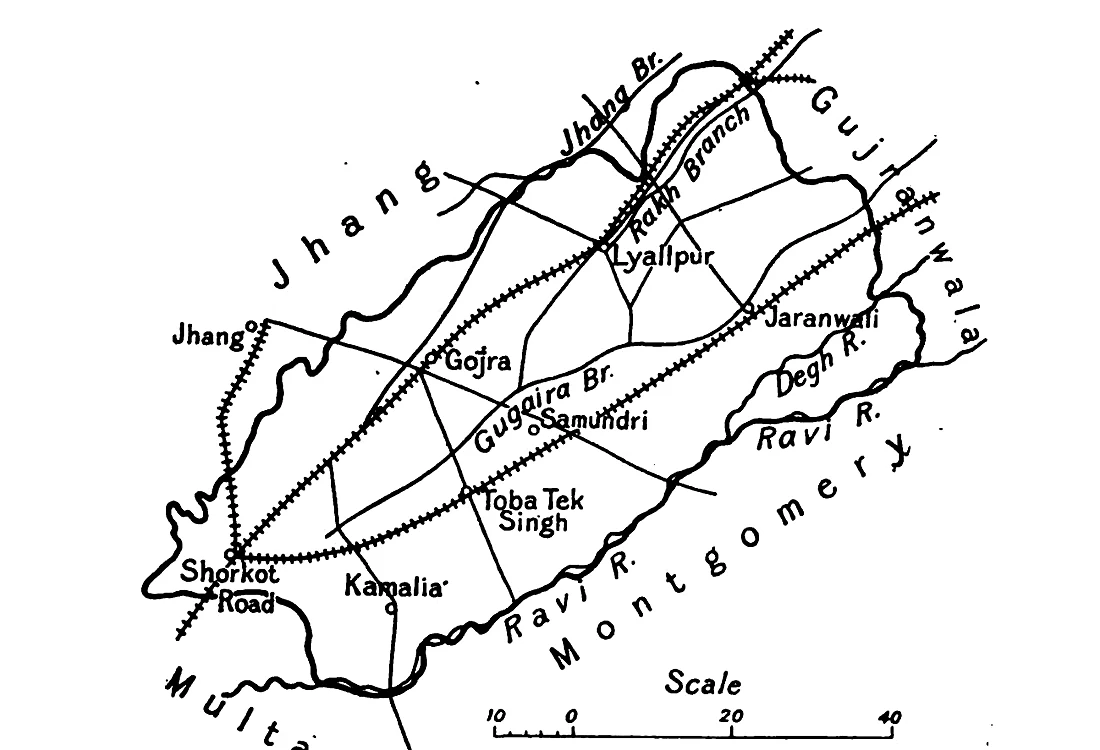
Lyallpur Tahsil, the headquarters tahsil, occupied the centre of what had been the Sandal Bar. It was now wholly irrigated by the Chenab Canal.
Samundri and Toba Tek Singh tahsils had been constituted in May 1900. They joined Lyallpur as the new district’s three tahsils.
By 1911 the new district held 857,711 people.
1977 and 1979: the renaming
The name Lyallpur lasted eighty years. The city was renamed Faisalabad on 1 September 1977, in honour of King Faisal of Saudi Arabia.
The district took the new name in 1979. No Gazette notification for either rename has been found, so the dates rest on secondary records.
Pakistan was under martial law in September 1977. No named person is credited with the 1977 order.
1999 and the myths
Faisalabad was never called Chenab Nagar. That name belongs to Rabwah, renamed Chenab Nagar by a Punjab notification of 4 February 1999.
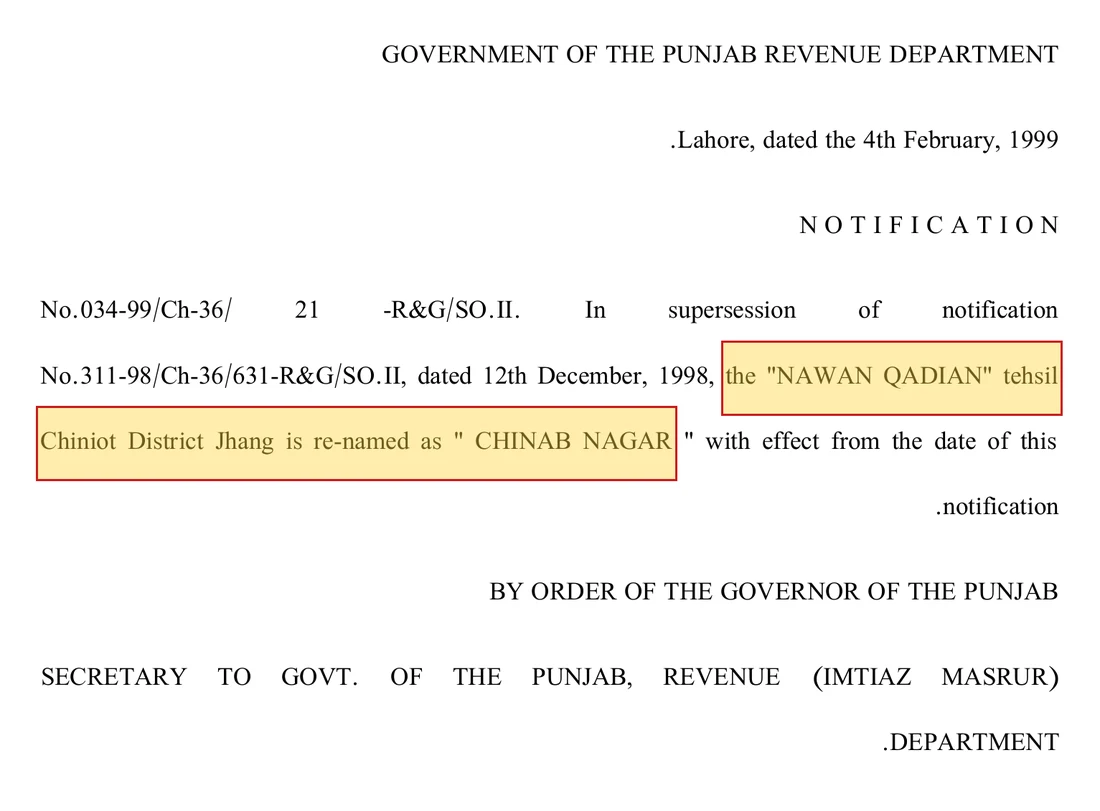
The notification renamed Nawan Qadian, in tehsil Chiniot, District Jhang. It spells the new name “CHINAB NAGAR”, missing the letter e.
Sir James Lyall has no tomb in Faisalabad. He died on 4 December 1916 in Eastry, Kent, where he is buried in the local churchyard.
The structure in Jinnah Gardens is the Lyall Monument, a memorial built near 1920. It carries an inscription in memory of the Lieutenant-Governor of 1887 to 1892.
One more belief fails the record: no gazetteer describes a Union Jack town plan. The comparison belongs to later generations.
What the dates add up to
In little more than a decade, grazing land became a colony of towns, canals and markets. The dates show a place built by water, rail and people from across Punjab.
The names changed with the place: Sandal Bar, Chenab Colony, Lyallpur, Faisalabad. Each name carries a different chapter of the same story.
Author Profile

- Award-winning investigative journalist with 20+ years of experience across Pakistan's leading news organisations, including 15+ years as Senior Staff Correspondent at Dawn. Driven by a lifelong passion for investigative journalism and human rights, with a proven record of hard-hitting stories that forced official action — from hospital negligence and illegal land grabs to harassment probes and social injustice. He is the recipient of the K.C. Kulish International Award for Excellence in Print Journalism.
Latest Entries
 FaisalabadNovember 24, 2026From Sandal Bar to Faisalabad: the dates that made the city
- ExclusiveNovember 22, 2026Family feuds and guns in every home
- ExclusiveNovember 13, 2026Keys to a Coffin
- ExclusiveNovember 11, 2026Coats on Their Shoulders, the Cold Shoulder from the State