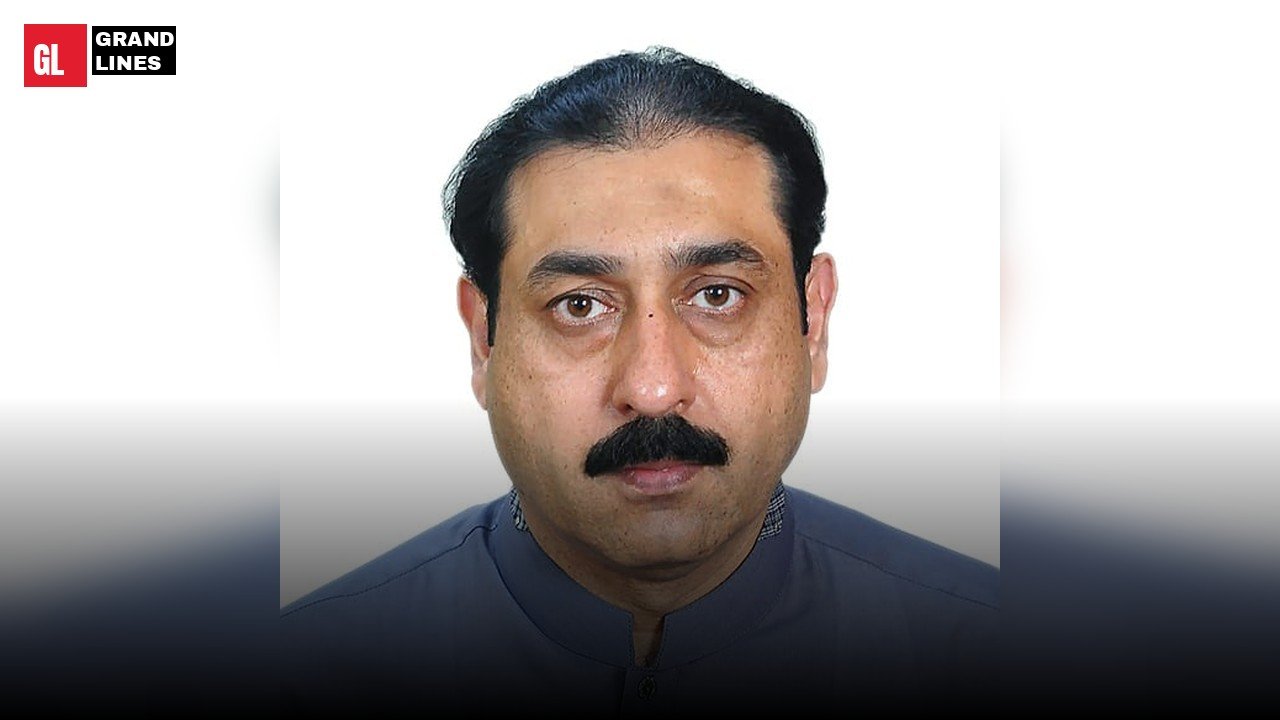

FAISALABAD: Pakistan Hosiery Manufacturers and Exporters Association North Zone expressed concern over the State Bank of Pakistan raising its policy rate by 50 basis points to 12 percent, warning of harm to textile and hosiery exports.
Chairman Mian Farrukh Iqbal said exporters already faced rising production costs, expensive energy, rising business costs and tough competition in global markets.
He said the increase was highly disappointing at such a time. Instead of promoting export-led growth and giving relief to industries, the decision would further raise business costs and weaken the competitiveness of Pakistani exporters in global markets.
He pointed out that interest rates on loans in Pakistan were significantly higher than in other competing regional countries.
Industry figures put the policy rate in Pakistan at 12 percent, while Bangladesh stood at 9.5 percent, Sri Lanka at 8.75 percent and India at 5.5 percent.
He said the significant difference created difficulties for Pakistani exporters, especially in textile and hosiery, because global buyers demanded suitable prices, quality products and timely delivery.
He stressed that the textile industry needed cheap loans for raw material purchase, continuing production, working capital needs, investment in modern technology and timely completion of export orders.
The PHMA North Zone chairman said the rate hike raised financial and production costs, reduced profit margins, discouraged new investment and made competition with regional rivals harder for Pakistani exporters.
Pakistani exporters were already under pressure from expensive electricity and gas, heavy taxes, expensive loans and delays in refunds, he said.
He said the increase would add to industries’ difficulties in such conditions, affecting industrial expansion, employment opportunities and export growth, even though earning foreign exchange was extremely important for the country.
He urged the State Bank of Pakistan and the federal government to adopt a coordinated, export-led economic policy for industrial growth and export promotion, so export industries received facilities instead of further financial burden.
He said Pakistan needed competitive interest rates, cheap energy and a stable, predictable business environment to increase exports and promote investment.
He demanded that the State Bank review its monetary policy in view of the difficulties of export industries and gradually reduce the interest rate when economic conditions allowed.
He also urged the government to introduce special, cheap and easy-terms financing facilities for textile and hosiery exporters, to protect current export orders, encourage new investment, increase employment and improve foreign exchange earnings.
He concluded that sustainable economic growth, employment and stronger foreign exchange reserves largely depended on a strong and competitive export sector.
He said government policies must help reduce exporters’ financial costs and provide a business-friendly environment, not add burdens that weakened Pakistan’s competitive position in global markets.
Author Profile

- The Grand Lines covers news that impacts lives, uncovers truths, and keeps you fully informed.
Latest Entries
 PakistanOctober 27, 2026CM Pays Tribute to Kashmiris on Black Day
- EducationOctober 27, 2026CM Inaugurates Rasul University, Announces Teaching Hospital
- BusinessOctober 27, 2026Cotton Rate in Pakistan Today: 27 October 2026 — Rs 17,900/Maund
- FaisalabadOctober 27, 2026CTO Meets Transporters on Traffic Flow, Mass Transit