
Key Points:
- Seventy-six airmen escaped Stalag Luft III through a 348-foot tunnel on the night of 24–25 March 1944.
- The tunnel came up twenty-five feet short of the woods, in open snow near a guard tower.
- Fifty of the seventy-three recaptured men were murdered by the Gestapo; only three reached home.
On 24 March 1944, two hundred airmen waited to crawl through a tunnel twenty-five feet short of safety.
The tunnel was called Harry. It ran 348 feet under the wire of Stalag Luft III, a prisoner-of-war camp at Sagan in Germany. Its diggers had measured the distance to the woods at 335 feet. Harry was longer than that. It should have come up well inside the trees. It came up in open ground, in snow, forty-five feet from a guard tower.
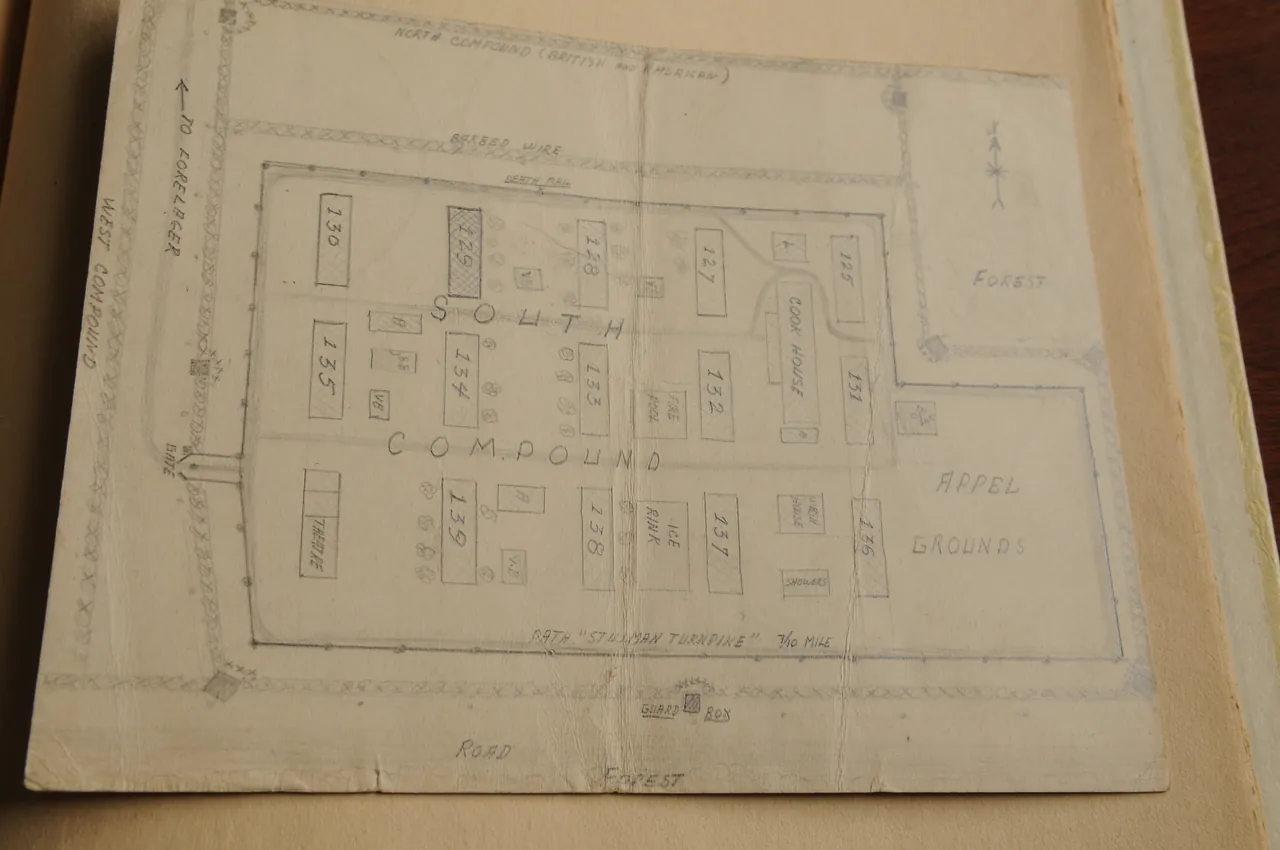
The man who opened it was Johnny Bull. He pushed his head out of the exit shaft and saw flat ground, snow-covered and frighteningly open. The trees were a good ten feet off. The guard in the tower was silhouetted against the lighted compound, his breath making clouds around his helmet. Bull dropped back down and whispered to Roger Bushell, the lawyer-turned-fighter-pilot who ran the escape: “We’ve got a problem, Roger. We’re about twenty-five feet short of where we wanted to be.”
Bushell was Big X, the head of the X Organization. He had planned to put two hundred men through Harry on the first night. The papers were stamped with that day’s date. They could not wait for the next moonless night. They would go tonight and trust to luck against the snow.
The plan had taken a year. Three tunnels had been dug, Tom, Dick and Harry. Tom was discovered, twenty-five feet deep and two hundred and sixty feet long, fully shored and serviced. Dick would have needed five hundred feet to reach the woods after the Germans cut down the pine trees above it. Harry was the last hope. Digging resumed on 10 January 1944. The last hundred feet went in during the first nine days of March. On 4 March the diggers cut a record fourteen feet in a single day. The exit shaft was finished on 14 March.
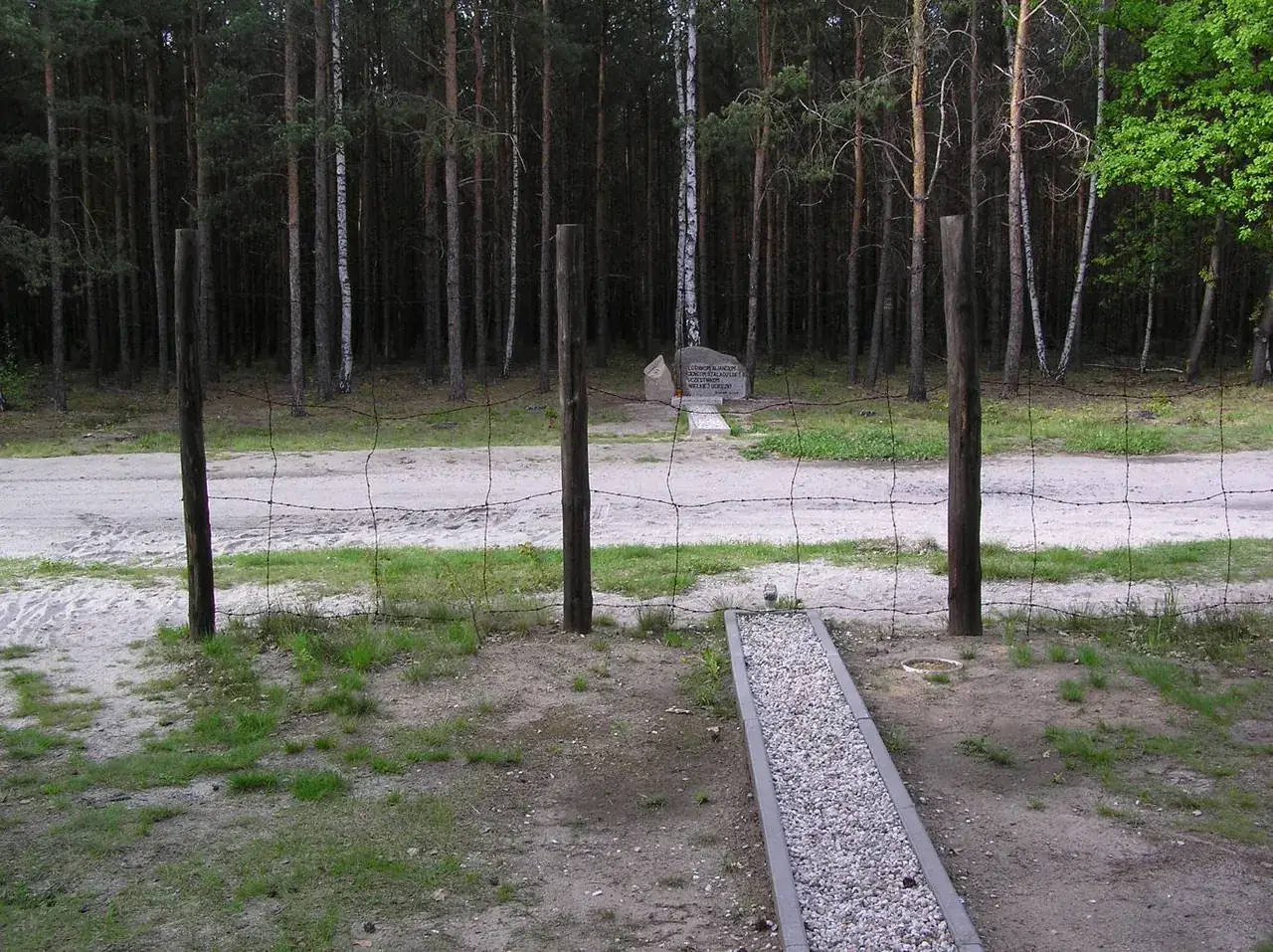
The first seventeen men entered the tunnel at 8:40 on the evening of 24 March. Johnny Marshall wore a dark civilian suit. Johnny Bull was to open the tunnel. Sydney Dowse was to haul the trolleys. Behind them came Bushell himself, with Bernard Scheidhauer and Wally Valenta. The boards over the exit shaft had swollen with snow. Bull could not loosen them. Marshall stripped to his underwear and worked for fifteen minutes in the freezing shaft before he wrenched one free.
It was 10:15 before Bull could look out. More than an hour had been lost. The escape was already an hour and a half behind schedule when Marshall, the first man out, dropped from the tunnel mouth at 10:30 and ran for the trees.
Bull had an idea. A controller would stand behind the ferret fence, watching the patrolling guards. A signal rope would run from the controller to the tunnel mouth. Two tugs meant go. The escapers would run one at a time across the open ground, following the rope into the woods for seventy yards to a marshaling point.
Inside the tunnel, everything went wrong. The plan allowed two or three minutes for each man. Cases wedged in the shaft. Trolleys tipped over. Five or six minutes passed for each man, sometimes twelve or fourteen. By 11:30 only six men had been summoned after the first seventeen.
Then an air raid cut the power. The tunnel went dark. Men panicked in the blackness, hundreds of feet underground. Wings Day relit the fat lamps one by one. It took thirty-five minutes. A three-foot fall of earth buried Kirby-Green. Birkland repaired the tunnel by feel, working in the dark for an hour. Cookie Long was buried too. Ropes broke. Ker-Ramsay banned blanket rolls, which were jamming the shaft.
Outside, the station brought fresh trouble. The Germans had built a new shed over the subway entrance. Many escapers missed their trains. Bushell and Scheidhauer caught the Berlin to Breslau express. Plunkett and Dvorak boarded without tickets, on two-pfennig platform passes which they threw out of the window. Bob van der Stok, the eighteenth man out, talked his way past an armed soldier.
The trains ran through the night. One o’clock to Breslau. Two-oh-four to Frankfurt-an-der-Oder. Three-fifteen to Berlin. Each train carried a few more men away from Sagan, in civilian clothes, with forged papers.
We’ve got a problem, Roger. We’re about twenty-five feet short of where we wanted to be.
At about four in the morning, Roy Langlois took over from McGill at the ferret fence. The guard changed in the tower. The new tower guard came down and walked directly toward the tunnel mouth. Five feet from the hole, he turned, unhitched his pants and squatted down. For five minutes he squatted there, going about his business, while an escaper stood on the ladder below him, a few feet away. Then the guard fastened his pants and went back to the tower. Langlois gave two tugs on the rope. The next man darted past.
By about five in the morning, the controllers knew the night was nearly over. They decided the last man out would be number eighty-seven. The seventy-sixth man, Lawrence Reavell-Carter, emerged from the hole. Keith Ogilvie followed. Mick Shand, number seventy-eight, popped out. Len Trent, number seventy-nine, emerged beside him.
A guard widened his beat toward the tunnel. His foot missed the mouth by inches and nearly landed on Trent. The guard spotted Shand, unslung his rifle and aimed. Reavell-Carter jumped into the open, waving his arms and shouting “Nicht schiessen!” Don’t shoot. The guard fired wildly. Shand bounded up and ran for the woods. Ogilvie did the same. Reavell-Carter walked forward with his hands raised. Trent stood up beside the guard. Langlois stood up behind the ferret fence. The guard shone his flashlight into the tunnel. Bob McBride, number eighty, smiled up at him. The guard blew his whistle. It was all over.
Seventy-six men had got clear of the camp. Three of them reached home. Per Bergsland and Jens Müller, two Norwegians, crossed to Sweden. Bob van der Stok reached England. The other seventy-three were recaptured.
 Born in a prison camp, free over a friend’s dead body
Then came the murders. Fifty of the recaptured men were murdered by Hitler’s Gestapo in the weeks after the escape. They were taken in small groups and shot. Bushell and Scheidhauer were gunned down in a field near Saarbrücken.
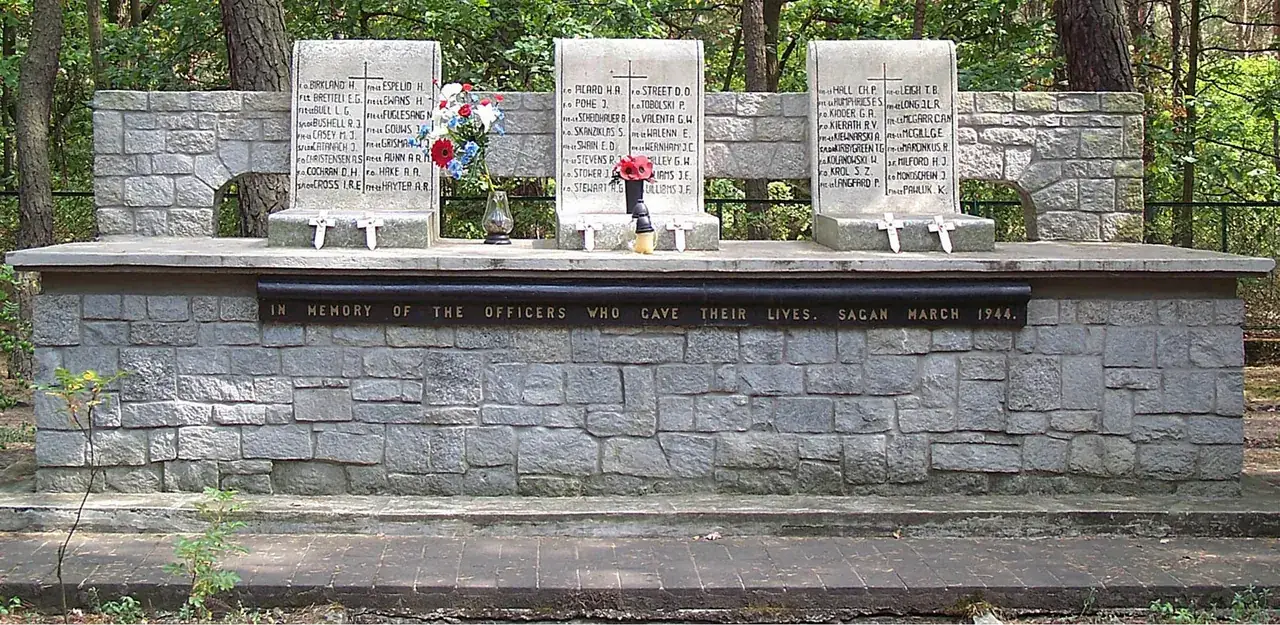
On 6 April the new commandant, Braune, read a statement to the prisoners. Forty-one escapers, he said, had been shot while resisting arrest or trying to escape again. Group Captain Massey, the senior British officer, asked how many had been wounded. “None wounded,” Braune replied. The number crept up. In the end it was fifty.
The camp’s old commandant, von Lindeiner, had made thirty-nine more telephone calls in the first hours after the escape, raising the alarm across Germany. The Grossfahndung, the highest national alert, went out. Police searched within fifty miles of Sagan. One by one, the escapers were picked up.
The escape became a legend. The 1963 film, with Steve McQueen’s motorcycle scene, fixed it in the public mind. Vance’s book tells what really happened, night by night, name by name.
Seventy-six men crawled through Harry. Seventy-three were caught. Fifty were murdered. Three reached home. That is the true story of the Great Escape.
Source: Jonathan F. Vance, The True Story of the Great Escape (2000), Chapters 15–16 and the aftermath chapters.
Author Profile

- The Grand Lines covers news that impacts lives, uncovers truths, and keeps you fully informed.
Latest Entries
 True StoriesNovember 18, 2026The greatest escape of the war ended in fifty murders
- Predictive AlertsNovember 18, 2026Faisalabad AQI 318 Hazardous at 7:00 AM
- BusinessNovember 17, 2026Petrol Price in Pakistan Today: 18 November 2026
- PunjabNovember 17, 2026PTI founder sought NRO in writing, says minister