
- The Entomological Research Institute Faisalabad has finalised 70 research experiments for 2026-27, including 26 new and 44 ongoing trials
- The plan focuses on biological pest control, cheaper eco-friendly biopesticides and reducing the overuse of chemical pesticides
- Trials will also target the 20 to 30 percent losses in stored grain through hermetic storage and bio-fumigation
FAISALABAD: The Entomological Research Institute of the Ayub Agricultural Research Institute has finalised a research plan of 70 experiments for 2026-27. The plan aims to raise crop production through modern research while keeping farmers’ welfare in view.
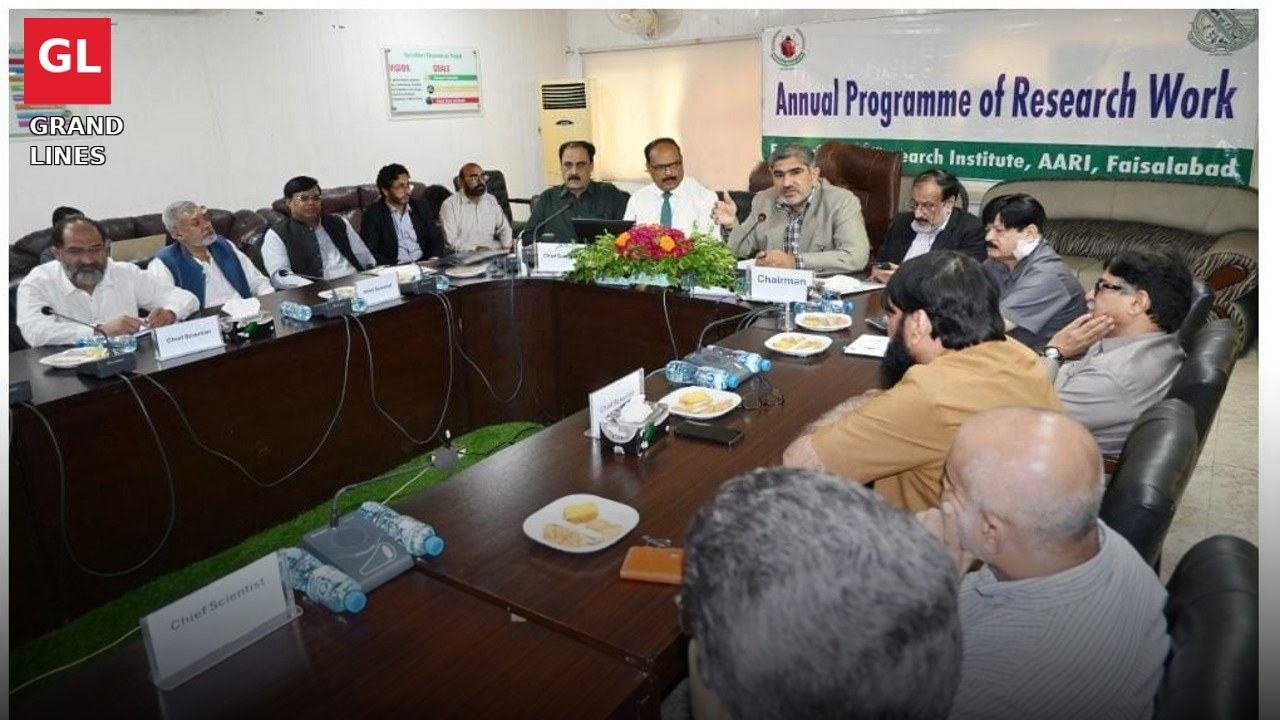
The institute’s annual research programme meeting was chaired by Ayub Agricultural Research Institute Chief Scientist Dr Sajid-ur-Rehman.
He said the Faisalabad institute, as the country’s largest insect research body, carried a major responsibility. Ensuring food security by raising crop production, he said, was the Punjab government’s top priority under the chief minister’s vision.
He said the provincial government was providing substantial funds to promote modern agricultural research so that crop pest and disease problems could be solved on scientific lines.
The support would help cut production costs and raise farmers’ income and the country’s foreign exchange, he added. He urged scientists to ensure that research reached farmers’ doorsteps and made the country’s agriculture self-sufficient.
The chief scientist appreciated the institute’s work but pointed to gaps that needed urgent attention. He called for research on reducing the excessive dependence on chemical pesticides and on the commercialisation of biological control.
He said trials to stop the 20 to 30 percent losses in stored grain must be part of the plan. Work on climate change and the growing resistance of insects to agricultural poisons was also needed, he said.
He stressed innovation-based research, calling for eco-friendly and low-cost biopesticides for farmers. He also called for hermetic storage and bio-fumigation for stored grain, and forecast-based research in the context of climate change.
The real purpose of research, he said, should be to raise crop production through modern farming methods and achieve national food security.
Earlier, the institute’s Chief Scientist Dr Arshad Makhdoom Sabir briefed the meeting on the institute’s performance, mission and objectives. He said the institute, established in 1906, promoted eco-friendly, low-cost and sustainable methods to cut crop losses.
Of the 70 experiments, 26 are new and 44 ongoing. They cover wheat, maize, oilseeds, pulses, fodder, fruit plants and vegetables, with the largest share reserved for beekeeping.
The new projects include biological control of the fall armyworm and control of the mango hopper. They also include integrated pest management strategies for maize and tomato, and new methods against pests of stored grain, particularly wheat and rice.
The meeting was attended by senior officials of the Agriculture Department, the University of Agriculture Faisalabad and NIAB. Progressive farmers, representatives of private companies and the media were also present.
Author Profile

- The Grand Lines covers news that impacts lives, uncovers truths, and keeps you fully informed.
Latest Entries
 FaisalabadOctober 25, 2026Four Roads Restored, Museum Opens on Sundays in Faisalabad
- FaisalabadOctober 25, 2026Civil Defence Seals Three Illegal Fireworks Shops in Faisalabad
- CrimeOctober 25, 2026Fake Theft Call, Heroin Seizure Lead to Six Arrests in Faisalabad
- CrimeOctober 25, 2026Highway Patrol recovers stolen bikes, arrests offenders