Key Points:
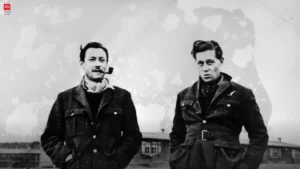
- Sudhir Venkatesh, a University of Chicago graduate student, spent nearly three years with J.T., leader of the Black Kings crack gang in the Robert Taylor Homes.
- After calling J.T.’s job easy, Venkatesh was challenged to run the gang for a day — settling disputes, ordering cleanups and visiting twenty sales teams.
- By nightfall he had watched beatings he could not stop and understood the job’s real weight: enforcing contracts, motivating men and answering to bosses above.
A student told a gang leader his job looked easy, so the leader told him to try it.
The student was Sudhir Venkatesh, a graduate student at the University of Chicago. He had spent nearly three years hanging out with J.T. J.T. led the Black Kings crack gang in the Robert Taylor Homes, a vast public housing project on Chicago’s South Side. J.T. is not his real name. The book gives the gang leader a false name.
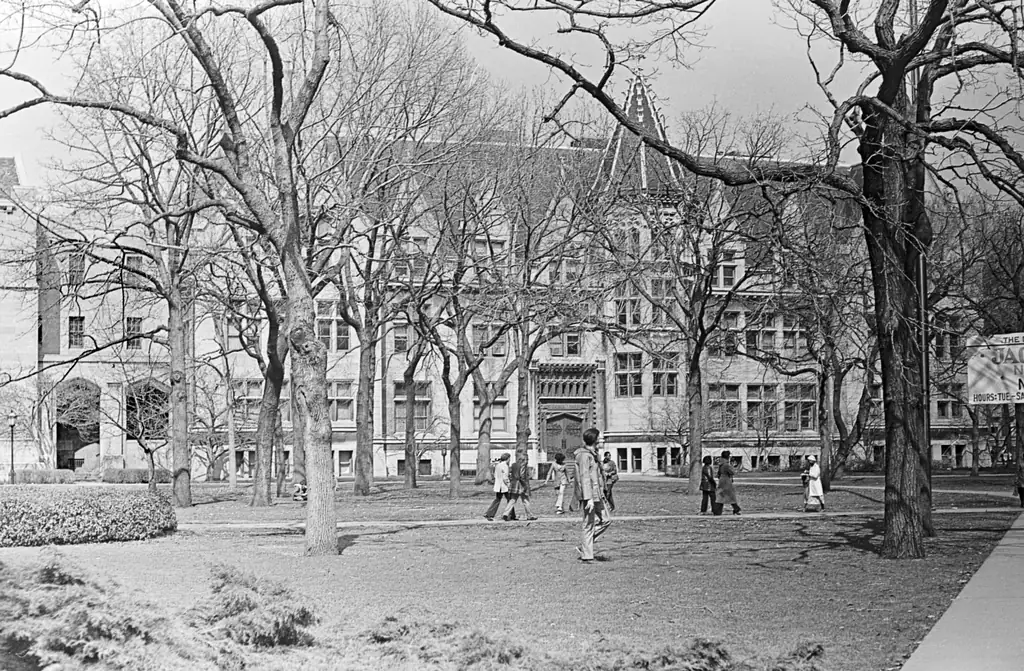
Venkatesh had come to the projects in the fall of 1989 to study poverty. His professors wanted him to take a wider view of the community. His adviser, Bill Wilson, had started worrying about his safety. “I’m having nightmares, Sudhir,” Wilson told him once on a golf course. He wanted Venkatesh to spend time with people other than the gang.
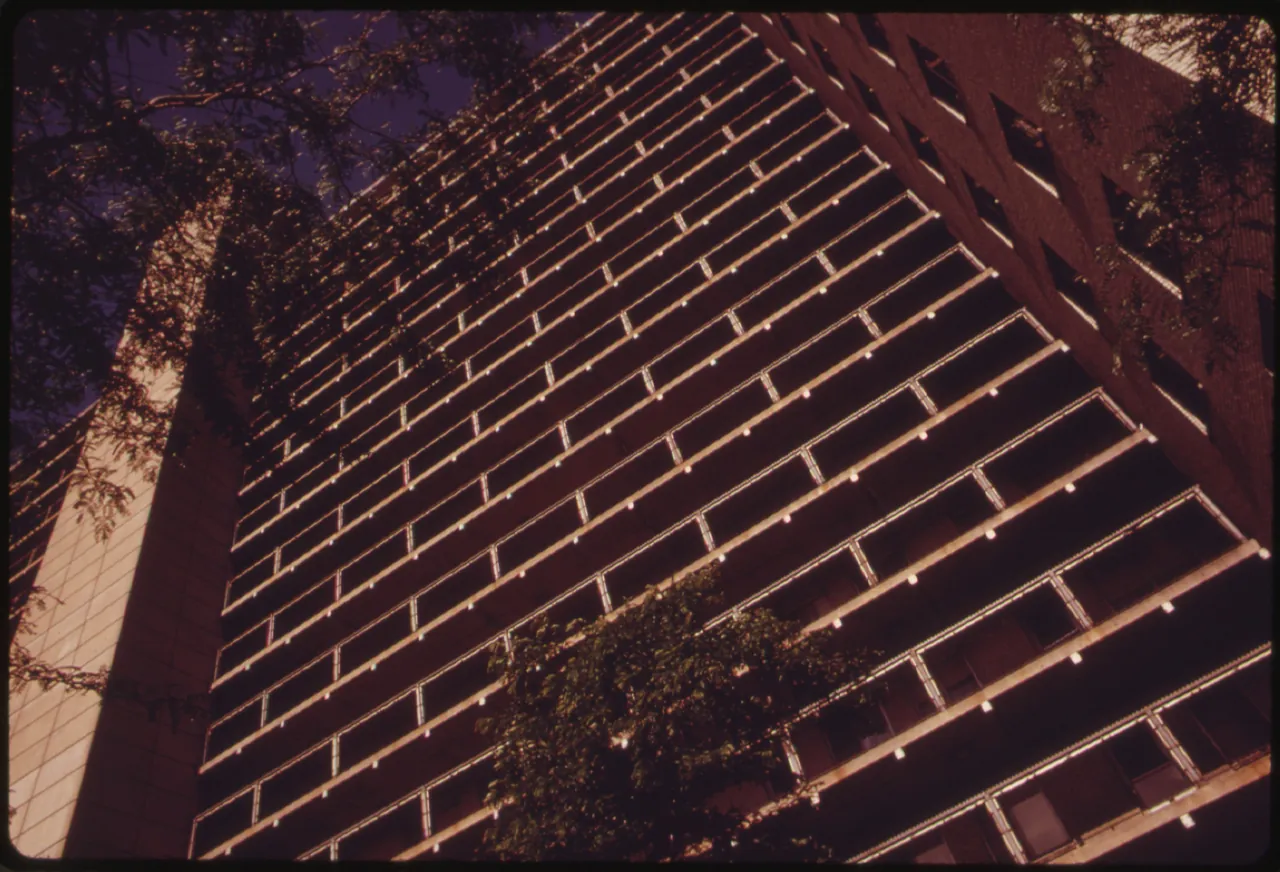
But J.T. was the most fascinating man Venkatesh had met. J.T. spoke of his job with the detachment of a chief executive. He fancied himself a philanthropist as much as a leader. He said he had quit a mainstream sales job in downtown Chicago to return to the projects and use his drug profits to help others. He made his members get a high-school diploma and stay off drugs. He gave money to local youth centres for sports equipment and computers.
Venkatesh was not sure he believed all of it. He wondered if he really had a complete sense of what J.T. did every day.
One cold February morning, Venkatesh stood with J.T. on a street corner as J.T. met one of his drug-selling crews. J.T. spoke to his men about taking pride in their work. He urged the younger members to brave the cold and sell as much crack as they could.
Afterwards J.T. said he was going off to play basketball. He climbed into his Malibu and Venkatesh climbed in with him. They were parked near a busy intersection at State Street, within view of a Robert Taylor high-rise. Before J.T. even turned the key, Venkatesh mentioned, half joking, that he thought J.T. was seriously overpaid.
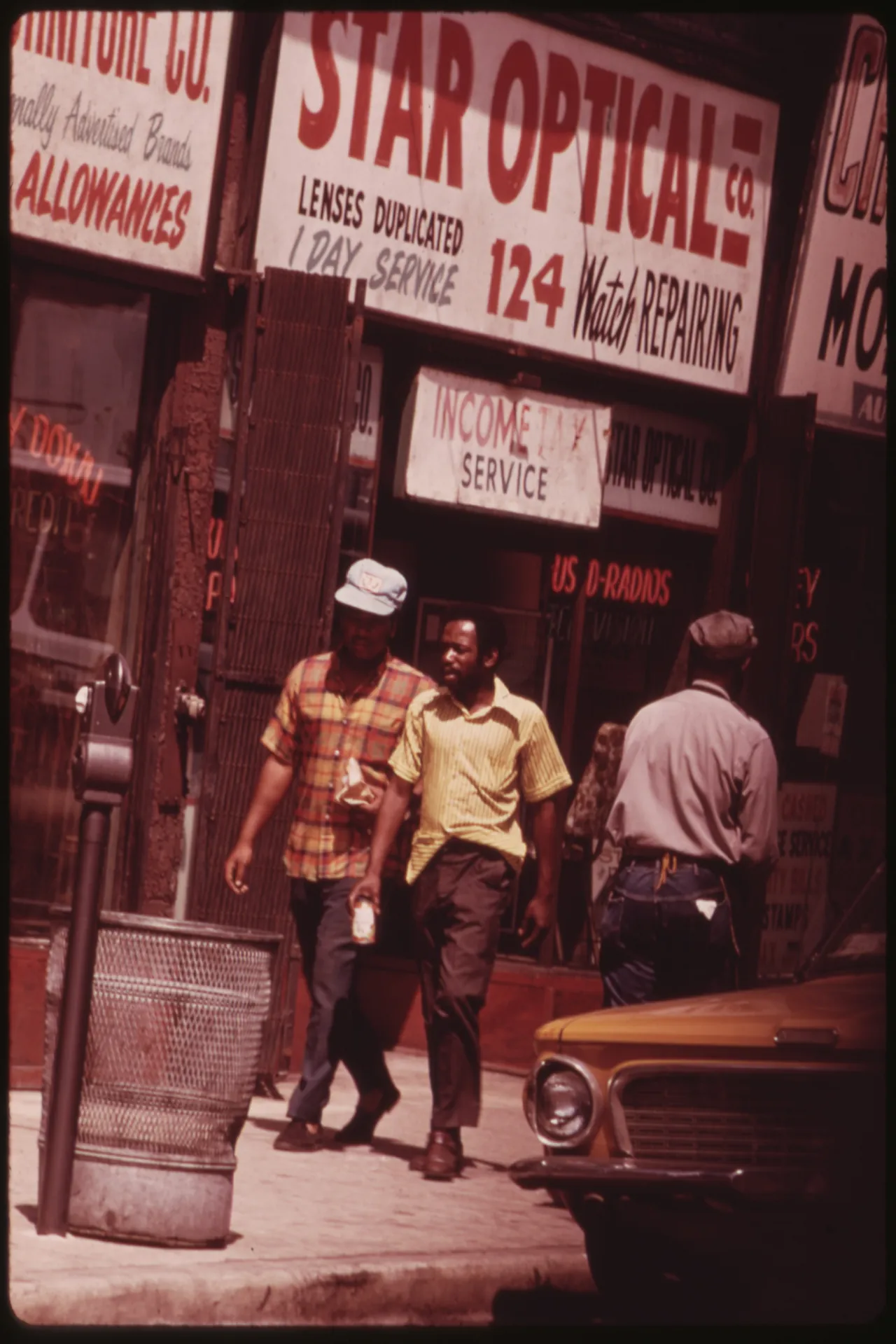
“I don’t see what’s so difficult about your job,” he said. All he ever saw J.T. do, he said, was walk around and shake hands with people, spend money, drive nice cars and party with his friends. J.T. owned at least three cars that Venkatesh knew of. J.T. sat for a moment, making no move to drive off. “Okay, well, you want to give it a try? If you think it’s so easy, you try it.”
Venkatesh laughed. He said he did not think graduate school was training him to lead a gang. J.T. said there was no war on, so Venkatesh would not even have to touch a gun. But he could not promise that Venkatesh would not have to do something he might not like. “One day,” J.T. said. “Take it or leave it.”
J.T.’s gang had about two hundred and fifty young men. He kept only a few officers on his payroll. There was a treasurer, a couple of enforcers and a security coordinator. Below them were lesser-paid directors who managed the six-man teams that did the actual street-level selling of crack. Above him stood the Black Kings’ board of directors. Roughly two dozen men controlled all the neighbourhood Black Kings gangs in Chicago. They took a generous skim off the top of the drug revenues.
Venkatesh met J.T. at half past seven the next morning at Kevin’s Hamburger Heaven in Bridgeport, an Irish-American neighbourhood across the expressway from the projects. Soon two of his officers joined them. Price was the security chief. T-Bone was the treasurer. Only those two knew that Venkatesh was gang leader for a day. It would not do, J.T. said, for the rank and file to learn of the experiment.
Venkatesh had been awake much of the night worrying. He blurted out his conditions at once. He would not kill anybody. He would not sell drugs to anybody. J.T. told him to stop shouting and stop worrying. He had plenty to keep Venkatesh busy for the day.
The first decision came from T-Bone. Ms. Bailey, the president of one of the buildings, needed about a dozen men to clean up the building that day. A teenage gang member called Josie had thrown a party the night before and left the stairwells strewn with broken glass, trash and used condoms. The men had to be sent by eleven, or Ms. Bailey would be furious. J.T. had to keep her happy, since the gang sold crack in the lobby of her building.
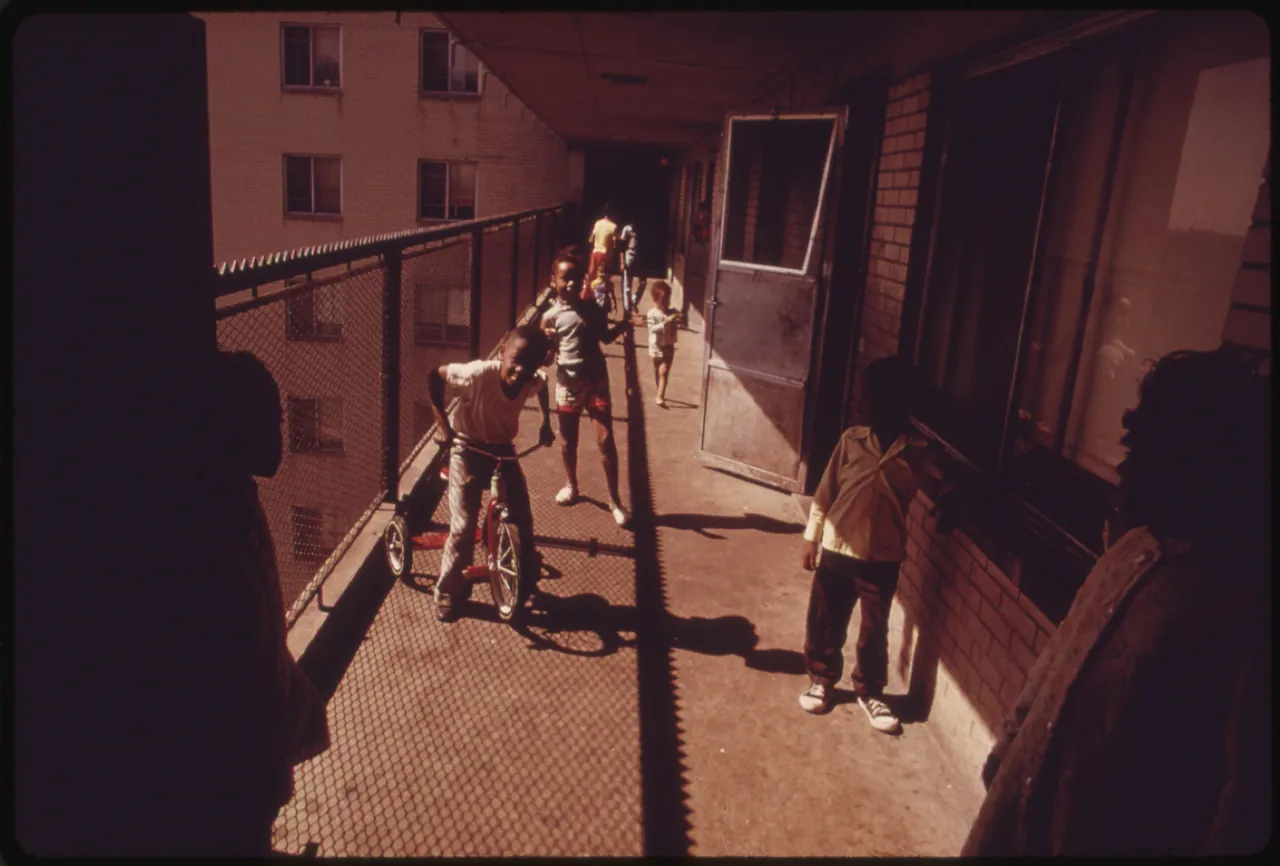
Two crews had not done cleanup for about three months: Moochie’s group and Kalia’s group. Moochie had been making tall money, so pulling him off the streets would cost sales. T-Bone argued for sending Moochie anyway. A little community service, he said, might ensure that Moochie’s head did not get too big. Price added that Moochie had been sleeping with Ms. Bailey. Venkatesh sent Moochie. Short run, he said, you lose a little money.
The next item was a meeting space. The Black Kings needed a large room, a church or school or youth centre, where they could gather all their members. J.T. liked to punish a member who broke a major rule in front of the whole gang, to encourage solidarity and provide deterrence. Pastor Wilkins had offered his church once a week at night, for a donation. Five hundred dollars got the back room or the basement for one night. Seven hundred and fifty dollars got the place to yourself. He never did decide how much the gang should pay.
Then came a visit to Johnny, who owned a convenience store on Forty-seventh Street and no longer allowed Black Kings members inside. Johnny was a former gang leader himself. He also charged Black Kings members more than other customers. The gang provided him with protection, for which he paid two hundred and fifty dollars a month. J.T. said he could not take their protection and shut them out at the same time. Johnny pointed to a rifle on the wall and said his patience was finished. J.T. negotiated the protection down to two hundred dollars a month, with the gang members promising to spend at least two hundred dollars a month in the store. Venkatesh tried to help with the talking. J.T. told him to sit down.
The next duty was to settle a dispute between two gang members, Billy and Otis. Billy directed a six-man drug-selling crew. Otis, one of his six dealers, claimed Billy had underpaid him for a day’s work. Billy said Otis had lied about how much crack he sold and kept the extra money. Billy had been a star basketball player at Dunbar High School and won a scholarship to Southern Illinois University. He began dealing drugs to students in his dorm. He quit the basketball team to sell drugs full-time. He later called it the dumbest move he ever made.
A hundred-pack was the standard allotment: a hundred bags of crack at ten dollars each, for which the dealer was supposed to hand his director a thousand dollars. Billy said Otis had turned over just nine hundred dollars. Otis said Billy owed him money from an earlier transaction, a charge Billy denied. Price explained the punishments. If Billy had not paid Otis, Billy would get two mouthshots and could not work for a week. If Otis had stolen, he would be beaten and would have to work free for a month.
Venkatesh heard them out and gave his ruling. Otis had clearly taken the money, he said, because Otis had never denied taking something. But Billy had probably also failed to pay Otis. So Venkatesh borrowed a rule from American football: offsetting penalties. Both men had messed up, so the two penalties cancelled each other out. No one would get hurt or pay a fine. Price was delighted. “That was the smartest thing you said all day!” he said.
 He copied the whole dictionary and found his freedom
J.T. said nothing. He told Price to bring Otis over. He told Venkatesh to wait by the car. Venkatesh climbed into the back seat and heard J.T. tell Otis to put his hands behind his back. Then he heard a punch, fist hitting cheekbone. After about ten seconds came another one. Then, slowly, two more punches. He looked through the back window and saw Otis bent over, holding his face. J.T. walked back to the car, shaking his fist. “You can’t let them steal,” he told Venkatesh. He had let Otis off easy, he said. Otis only had to work free for a week. As they drove past, Venkatesh was the only one who looked over.
The afternoon was spent driving around the South Side, visiting roughly twenty Black Kings sales teams. J.T. did this once a week. As soon as he reached a site, the sales team’s director would approach him alone and order his troops to stop all sales. One member, taking all the cash and drugs, left the area entirely, so that the police could not link J.T. directly to the drug sales. J.T. never carried a gun, drugs or large amounts of cash.
J.T. grilled each director with a standard set of questions. Were they losing regular customers? Was anyone complaining about the quality of the crack? Had any enemy gangs come around? Then the director reported the week’s receipts, any drugs lost or stolen and any members causing trouble. J.T. kept his own informants in every neighbourhood, mostly homeless people and squatters, paid ten or fifteen dollars a day.
One of those informants had reported that Michael, a twenty-year-old recently promoted to run a six-man sales team, was selling diluted crack. His crew stretched each hundred-pack into a hundred and twenty-five bags, earning an extra two hundred and fifty dollars that J.T. could never collect. Venkatesh said to kick him out. J.T. said it was not so simple. He needed to crush the tactic but not the spirit behind it. He told Michael to finish selling what he had. The next week Michael would earn nothing. His share would go to the other men. And Michael would have to tell them himself why diluted crack was wrong: because they would lose customers and then they would have no work.
It had been dark for a few hours when the day ended. Venkatesh had watched two sales directors taken off to a secluded area and given mouthshots for their transgressions. But J.T. used the carrot as well as the stick. He gave a two-hundred-and-fifty-dollar bonus to the members of a group with several weeks of above-average sales. “It was both more banal and more dramatic than I could have envisioned,” Venkatesh wrote. “I was exhausted.”
It was both more banal and more dramatic than I could have envisioned.
The next day he would wake up free of the hundreds of obligations and judgments he had witnessed. But J.T. would not. He would still bear all the burdens of running a successful underground economy: enforcing contracts, motivating his members to risk their lives for low wages, dealing with capricious bosses. Venkatesh was no less critical of what J.T. did for a living. But he never again thought the job looked easy.
Source: Sudhir Venkatesh, Gang Leader for a Day (2008), Chapter 4.
Author Profile

- The Grand Lines covers news that impacts lives, uncovers truths, and keeps you fully informed.
Latest Entries
 True StoriesNovember 21, 2026The student who ran a crack gang for a day
- Predictive AlertsNovember 21, 2026Faisalabad AQI 234 Very unhealthy at 7:00 AM
- BusinessNovember 20, 2026Gold Rate in Faisalabad Today: 20 November 2026
- FaisalabadNovember 20, 2026Man killed, five injured in Samundri van-car collision