Key Points:
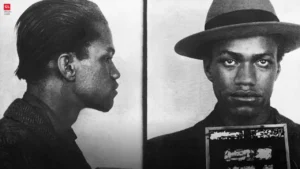
- Malcolm Little entered Charlestown State Prison in 1946, aged twenty, serving ten years for burglary — unable to write a simple sentence.
- At the Norfolk Prison Colony he copied a whole dictionary by hand, page by page, reading his way through history, religion and the classics.
- Released in August 1952 after seven years, the burglar who could not write had become a reader, a debater and a preacher.
A young prisoner who could not write a sentence sat down and began copying a dictionary by hand.
His name was Malcolm Little. He was twenty years old and serving ten years in a Massachusetts prison for burglary. He had left school after the eighth grade. When he tried to write a letter he could not put a simple sentence together. The dictionary was his way out.
The sentence had come down in February 1946 in the Middlesex County Court. Malcolm and his friend Shorty stood before the judge on about fourteen counts of crime. Shorty was called first. “Count one, eight to ten years. Count two, eight to ten years. Count three.” Then the judge added the words that saved them both: “The sentences to run concurrently.”
Shorty did not know what concurrently meant. He counted in his head to more than a hundred years, cried out and began to slump. The bailiffs had to catch him and hold him up. Malcolm got ten years. The two girls with them got one to five years in the women’s reformatory at Framingham. He was not quite twenty-one. He had not even started shaving.
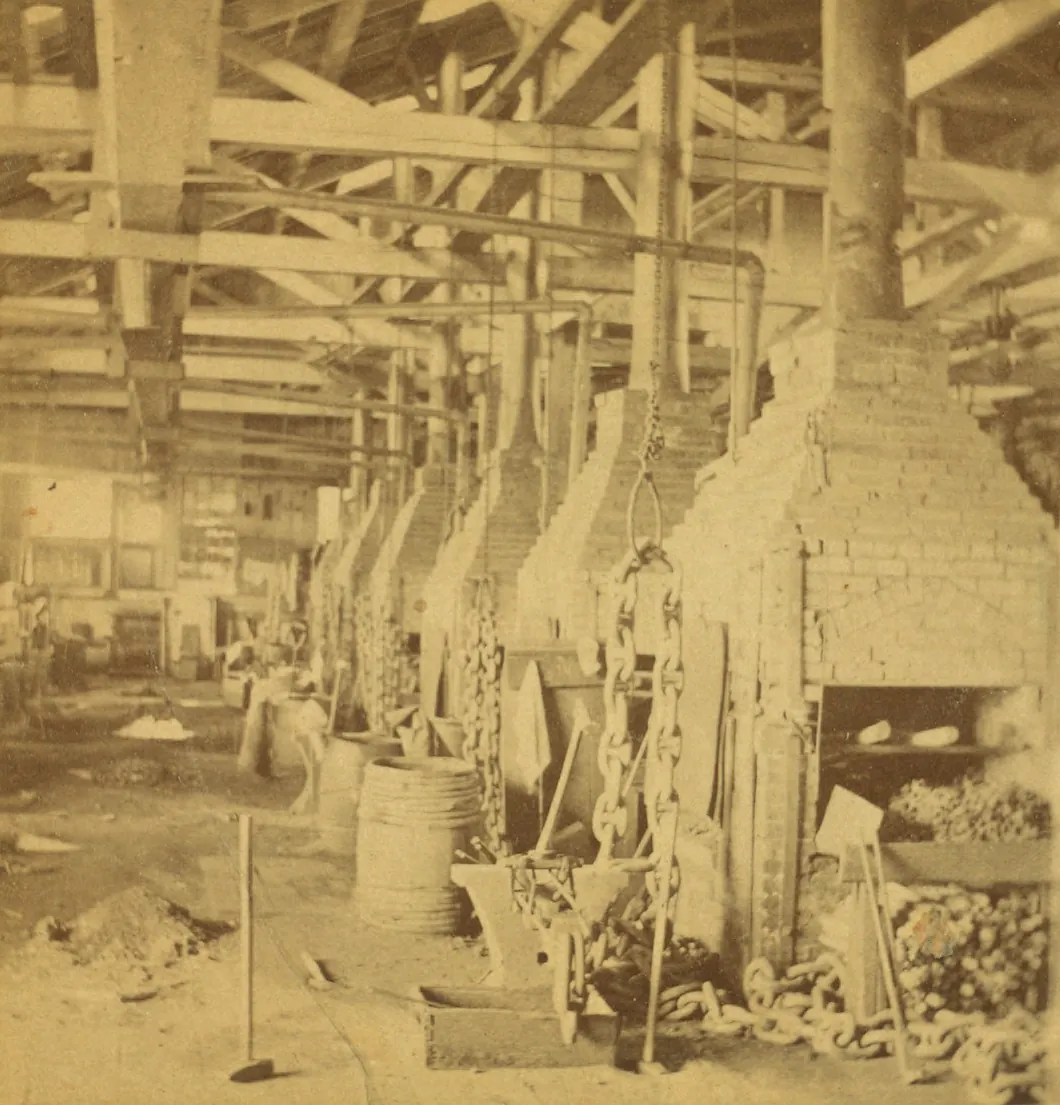
They took Shorty and Malcolm, handcuffed together, to Charlestown State Prison. The prison had been built in 1805 and was styled after the Bastille. The cells had no running water. Malcolm could lie on his cot and touch both walls. The toilet was a covered pail. He arrived in a fury, suddenly without drugs. He cursed the guards, threw things out of his cell and refused to answer to his number. He spent long stretches in solitary, pacing like a caged leopard and cursing the Bible and God aloud. The men in the cellblock gave him a name: Satan.
The first man in prison who made any good impression on him was a fellow inmate called Bimbi. They met in 1947, working in the license plate shop. Bimbi was an old-time burglar who had been in many prisons. After the day’s quota, fifteen men would sit around and listen to him talk about history and science. Even the guards drifted over to listen. Bimbi was the first man Malcolm had ever seen command total respect with his words.
One day Bimbi told him flatly that he had some brains, if he would use them. He told him to take the prison correspondence courses and to use the library. Malcolm had finished the eighth grade in Mason, Michigan. The streets had erased what he had learned. He wrote that he did not know a verb from a house. He began a correspondence course in English. After about a year he could write a decent and legible letter.
In 1948, after a transfer to Concord Prison, a letter arrived from his brother Reginald. It carried a strange instruction. Malcolm was to stop eating pork and stop smoking cigarettes. Reginald would show him how to get out of prison. Malcolm thought his brother had found some trick to work on the prison authorities. He finished the pack he had open and never smoked another cigarette.
Three or four days later pork was served at the noon meal. Malcolm took his seat and the platter came to him. Suddenly the instruction flashed before him. He hesitated with the platter in mid-air, then passed it on. “I don’t eat pork,” he said to the man beside him. By night the whole cellblock was talking about it. Satan did not eat pork.
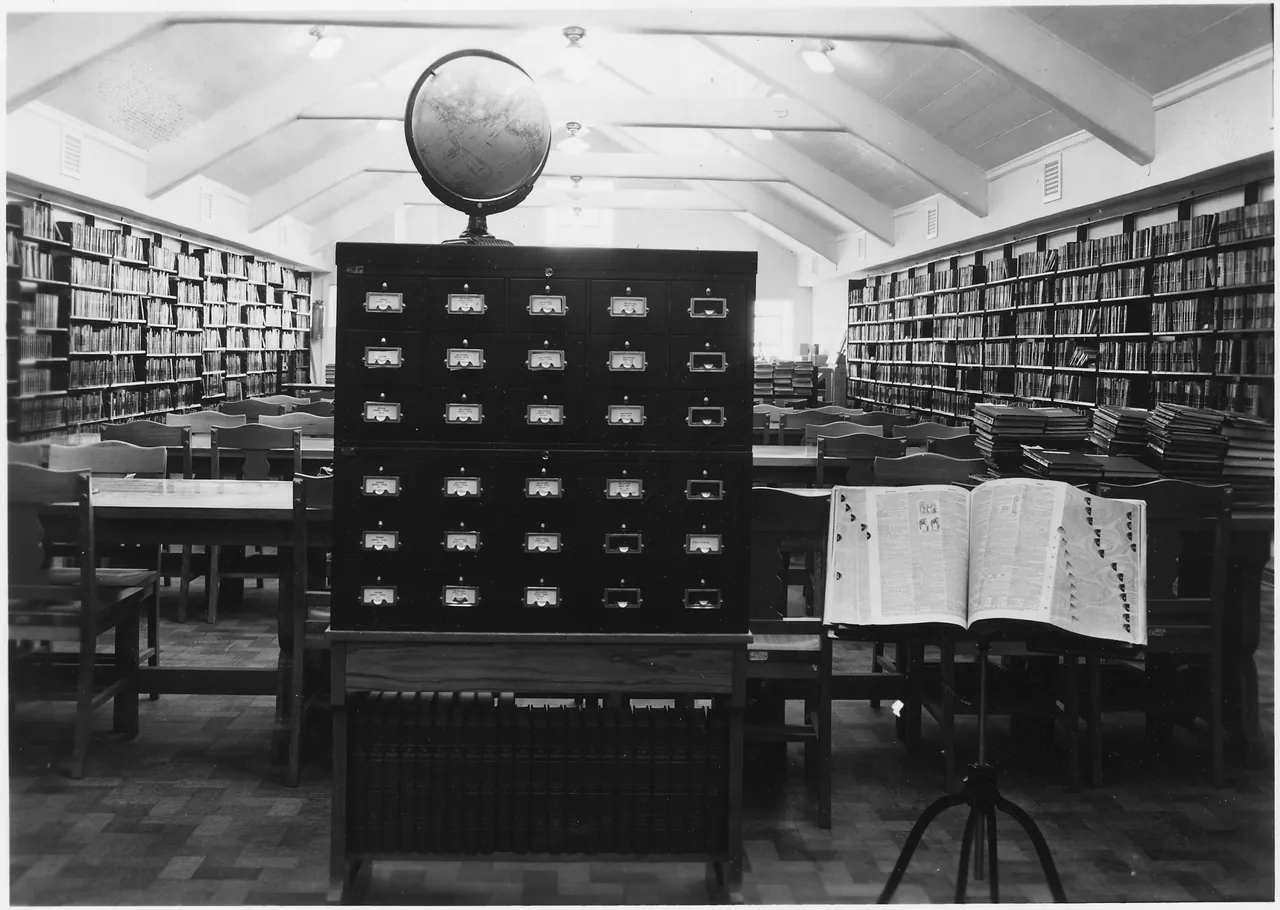
His sister Ella had been working to get him moved to the Norfolk Prison Colony, an experimental rehabilitation prison. The transfer came through in late 1948. Norfolk had flushing toilets and no bars, only walls. Every man had his own room. Instructors came from Harvard and Boston universities. Its library was one of its outstanding features. A millionaire named Parkhurst had willed the prison thousands of books, mostly history and religion.
Reginald came to visit. He talked about the family and about Detroit for a long time before he came to his point. “God is a man,” he said. “His real name is Allah.” Then he pointed across the room at some white inmates and their visitors. “The white man is the devil.”
Malcolm wrote to Elijah Muhammad, the leader of the Nation of Islam, in Chicago. He rewrote his first one-page letter at least twenty-five times, trying to make it legible and understandable. Muhammad sent a typed reply and enclosed a five-dollar bill. Praying was the hardest test he ever faced. Bending his knees to pray took him a week. Picking a lock to rob a house was the only way his knees had ever been bent before. He wrote to Muhammad every day. He wrote to men he had known in the hustling world and to the Mayor of Boston and the Governor of Massachusetts. He never got a single reply.
It was the letters that led him to the dictionary. On the street he had been the most articulate hustler out there. He had commanded attention when he said something. But trying to write simple English, he was not only not articulate, he was not even functional. He could not express what he wanted to say, above all in his letters to Elijah Muhammad. Many people who heard him speak in later years, he wrote, would think he had gone to school far beyond the eighth grade. That impression was due entirely to his prison studies.
At Charlestown, Bimbi had first made him feel envy of another man’s stock of knowledge. Every book Malcolm picked up had sentences full of words that might as well have been in Chinese. He decided that the best thing he could do was get hold of a dictionary, to study, to learn some words. He also wanted to improve his penmanship. He could not even write in a straight line. He requested a dictionary, with some tablets and pencils, from the Norfolk Prison Colony school.
He spent two days just riffling uncertainly through the dictionary’s pages. He had never realised so many words existed. Finally, just to start some kind of action, he began copying. In his slow, painstaking, ragged handwriting, he copied into his tablet everything printed on that first page, down to the punctuation marks. He believed it took him a day. Then, aloud, he read back to himself everything he had written. Over and over, aloud, to himself, he read his own handwriting.
 The last day of Henry Hill, the wiseguy who vanished
He woke the next morning thinking about those words, immensely proud to realise that he had written so much at one time. From the dictionary’s first page, he remembered, the word “aardvark” sprang to his mind. He went on and copied the next page. With every succeeding page he also learned of people and places and events from history. The dictionary, he wrote, is like a miniature encyclopedia. Finally the A section had filled a whole tablet. He went on into the B’s. That was the way he started copying what eventually became the entire dictionary. Between his tablets and his letters, he guessed, he wrote a million words during the rest of his time in prison.

As his stock of words broadened, he could for the first time pick up a book and read and begin to understand what the book was saying. From then until he left that prison, in every free moment he had, if he was not reading in the library, he was reading on his bunk. Months passed without his even thinking about being imprisoned. “In fact, up to then, I never had been so truly free in my life.”
In fact, up to then, I never had been so truly free in my life.
Every night at about ten, lights out caught him in the middle of something engrossing. A corridor light outside his door cast a glow into his room. When lights out came, he sat on the floor where he could continue reading in that glow. At one-hour intervals the night guards paced past every room. Each time he heard the approaching footsteps, he jumped into bed and feigned sleep. As soon as the guard passed, he got back out of bed onto the floor. That went on until three or four every morning. The reading by that dim light gave him astigmatism. It also gave him the first pair of eyeglasses he ever wore.
The first set of books that really impressed him was called Wonders of the World, full of pictures of archaeological finds and statues of non-European people. He read Will Durant’s Story of Civilization and H. G. Wells’s Outline of History. Carter G. Woodson’s Negro History opened his eyes to black empires before slavery. He never forgot his shock at reading about slavery’s total horror: black women tied up and flogged, mothers watching their babies dragged off, never to be seen again.
Debating was a weekly event at Norfolk. His reading had his mind like steam under pressure. He put his name down to debate. In prison, debating was as exhilarating to him as the discovery of knowledge through reading had been. In one debate, on compulsory military training, his opponent spoke of Ethiopians throwing rocks and spears at Italian aeroplanes. Malcolm answered that the Ethiopians’ black flesh had been spattered against trees by bombs the Pope in Rome had blessed. He told them to go and read Pierre van Paassen’s Days of Our Years. Right after the debate, that book disappeared from the prison library. It was right there, in prison, that he made up his mind to devote the rest of his life to telling the white man about himself.
He had been sent back to Charlestown before his release. In the spring of 1952 the Massachusetts State Parole Board voted that he should be released. In August they gave him a lecture, a cheap suit and a small amount of money. He walked out of the gate. He had served seven years. The next morning he bought three things: a better-looking pair of eyeglasses than the pair the prison had issued him, a suitcase and a wrist watch. He caught a bus to Detroit, where his oldest brother Wilfred had a job waiting for him in a furniture store.
The man who walked out of Charlestown in August 1952 was not the man who had walked in seven years earlier. The burglar who could not write a sentence had become a reader, a debater and a preacher. It had started with a dictionary, a tablet and a pencil, in a prison cell, one page at a time.
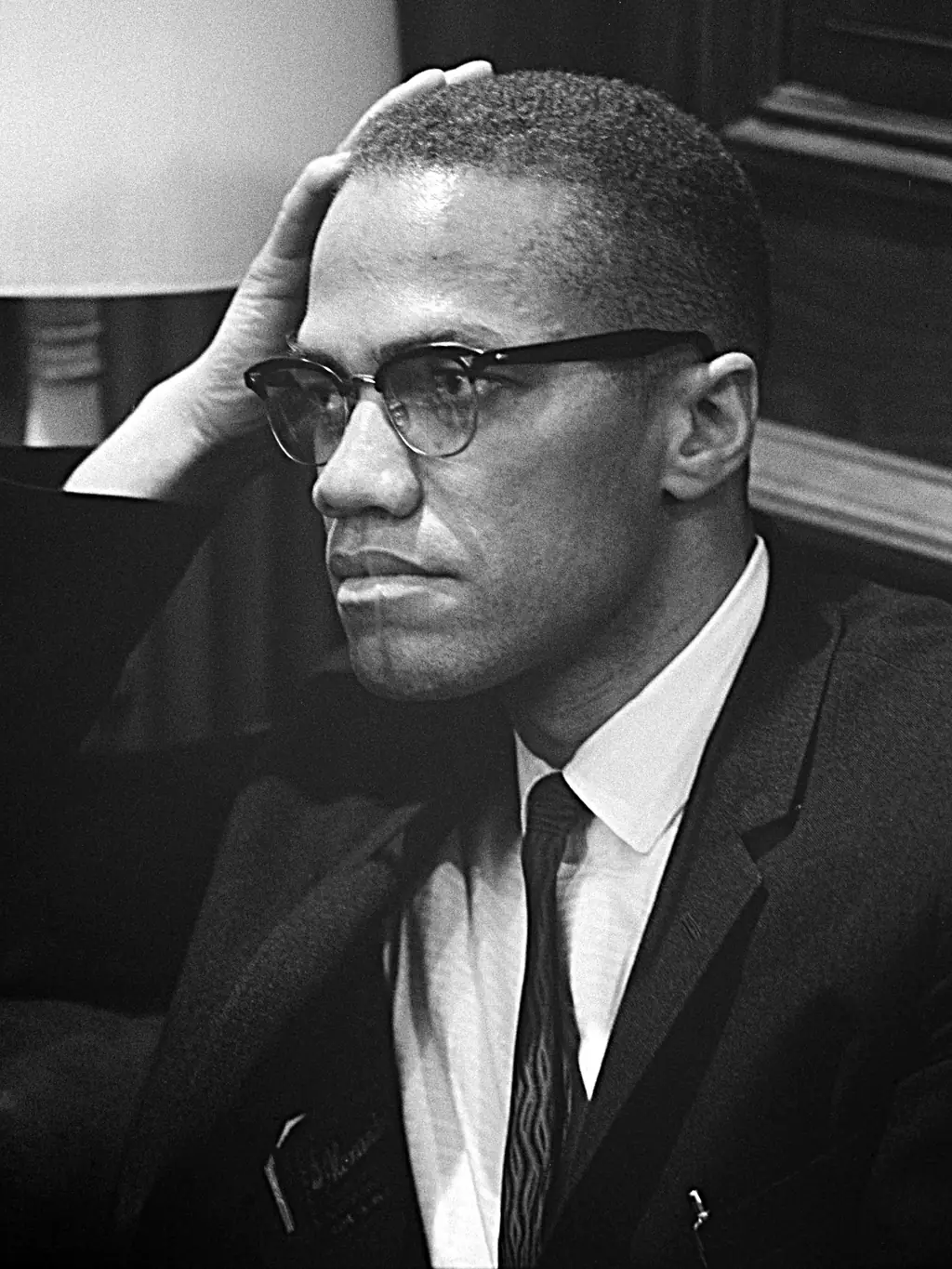
Source: Malcolm X with Alex Haley, The Autobiography of Malcolm X (1965), Chapters 10–11.
Author Profile

- The Grand Lines covers news that impacts lives, uncovers truths, and keeps you fully informed.
Latest Entries
 True StoriesNovember 20, 2026He copied the whole dictionary and found his freedom
- Predictive AlertsNovember 20, 2026Faisalabad AQI 178 Unhealthy at 7:00 AM
- FaisalabadNovember 19, 2026JI demands flour prices return to previous level
- FaisalabadNovember 19, 2026Police Net 20 in Bribe, Fraud and Fugitive Raids