
Key Points:
- Twelve prisoners in a Siberian gold-mining camp planned their escape all winter, working their way into trusty posts around the guards.
- On a spring morning they strangled two guards, seized rifles and machine-guns from the weapons pyramid and walked out in guards’ uniforms.
- They fought their way into the taiga and stayed free men for one night; eleven of the twelve died there while only the wounded Soldatov lived to face a tribunal.
Twelve prisoners decided to die with guns in their hands rather than starve in a Siberian camp.
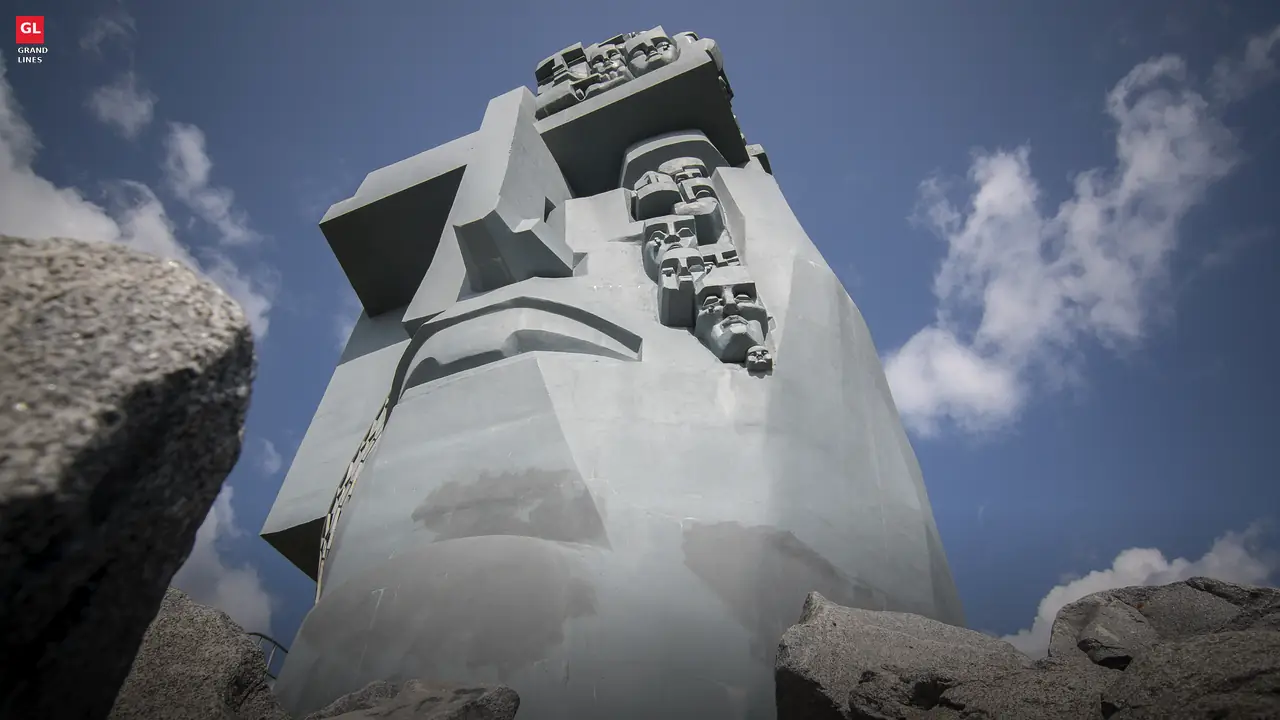
The camp was in Kolyma, in the far north-east of Siberia. The gold mines there were a death sentence in slow motion.
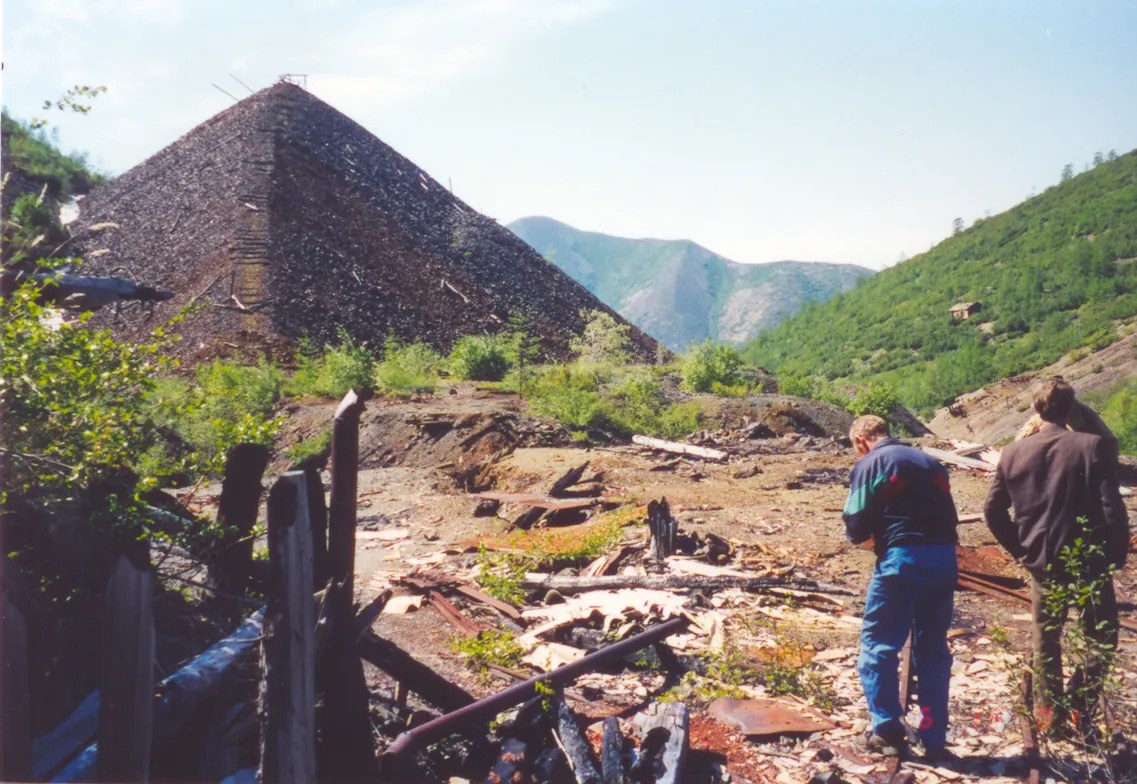
The men arrested in the nineteen-thirties had been random victims. The men who arrived after the Second World War were different.
Ship after ship delivered repatriated former Soviet citizens: officers, soldiers, fliers, scouts. They were men who knew how to take chances and who believed only in the gun.
One of them was Major Pugachov. He had been made activities director of the camp, a trusty post.
He understood what the new arrivals were for. They had been delivered to their deaths to replace the living corpses.
He began to plan.
The conspiracy was, in Shalamov’s words, virtually the only conspiracy in twenty years. Its web was spun all winter.
The men worked their way into trusty posts. Soldatov became a cook.
Pugachov kept his post as activities director. Two of them became work gang leaders.
Malinin became the paramedic. Ivashenko, a former military intelligence officer, became the mechanic who repaired the guards’ weapons.
Eleven of the twelve men are named in the tale: Pugachov, Khrustalyov, Ivashenko, Levitsky, Ignatovich, Polyakov, Georgadze, Ashot Khachaturian, Malinin, Soldatov and Gorbunov. The twelfth man’s name is not given.
The first man Pugachov told was Captain Khrustalyov, a flier. Khrustalyov’s plane had been shot down.
He had been taken prisoner and escaped. Then a tribunal sent him to the camp.
He listened to the plan and said it was better to die than be a convict. It was better to die with a gun in hand than be exhausted by hunger, rifle butts and the boots of the guards.
The plan was to reach the nearest airport and hijack a plane.
Pugachov knew what escape meant. He had escaped from a German prisoner-of-war camp in 1944.
He had driven a truck through the barbed wire, zigzagged through a town and reached the front. The Soviet authorities interrogated him, accused him of espionage and gave him twenty-five years.
Vlasov’s emissaries had tried to recruit him. Then came the cattle cars, Eastern Siberia, the sea, the ship’s hold and the gold mines.
The escape was set for a spring morning. At five in the morning the cook, Gorbunov, came for the storeroom keys.
He strangled the guard with Ivashenko’s help. A second guard was strangled too.
The second guard’s wife came for the keys. They tied her up and gagged her.
“We won’t strangle the woman,” one of them said. An overseer was disarmed and bound.
His rifle was taken.
Then a work gang of ten men marched out of the camp two by two. Two conspirators in guards’ uniforms walked in front and behind.
Instead of going to work, the gang turned towards the guards’ quarters. The duty officer was shot at point-blank range.
The prisoners seized rifles and machine-guns from the weapons pyramid. Two machine-gun bursts were fired at the ceiling.
The soldiers crawled under their cots.
The twelve men changed into military uniform. They took only biscuits and chocolate for food.
They took as many weapons and as much ammunition as they could carry. The paramedic took his first-aid bag.
On the highway they stopped a truck. Georgadze, a lieutenant of tank troops, drove it.
The truck ran out of petrol. The men entered the taiga, the great northern forest.
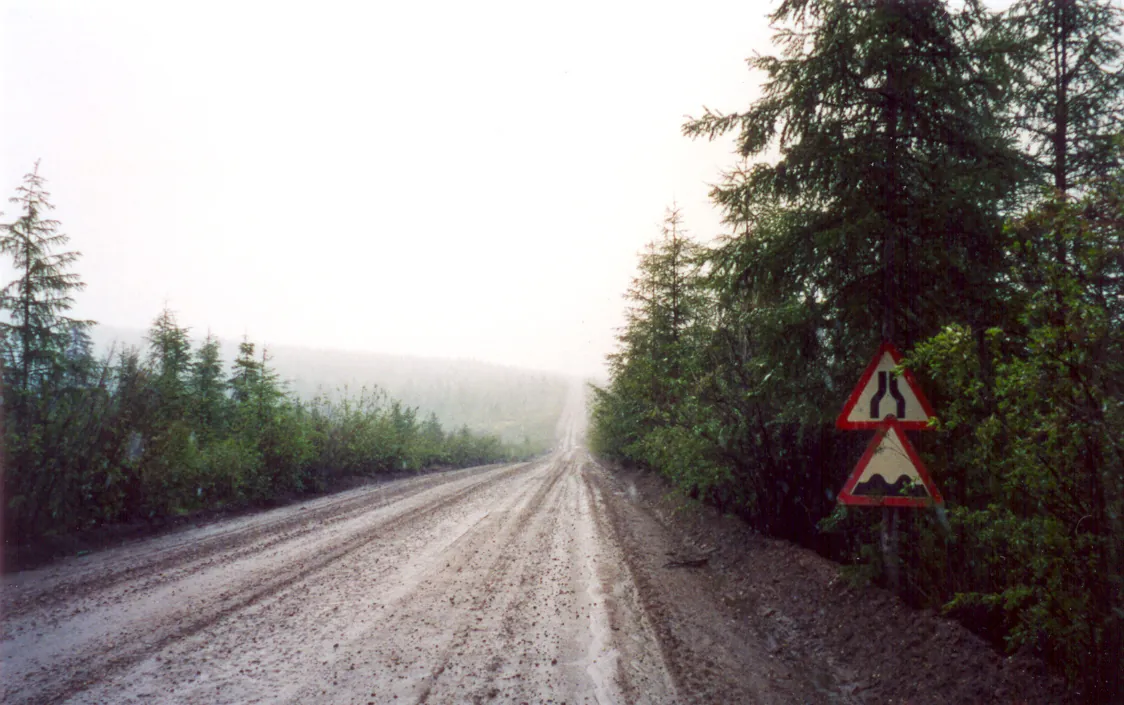
On the first night Soldatov stood watch with a machine-gun. Pugachov found the North Star.
The Big Dipper slid towards the horizon. They were free men in the forest, for one night at least.
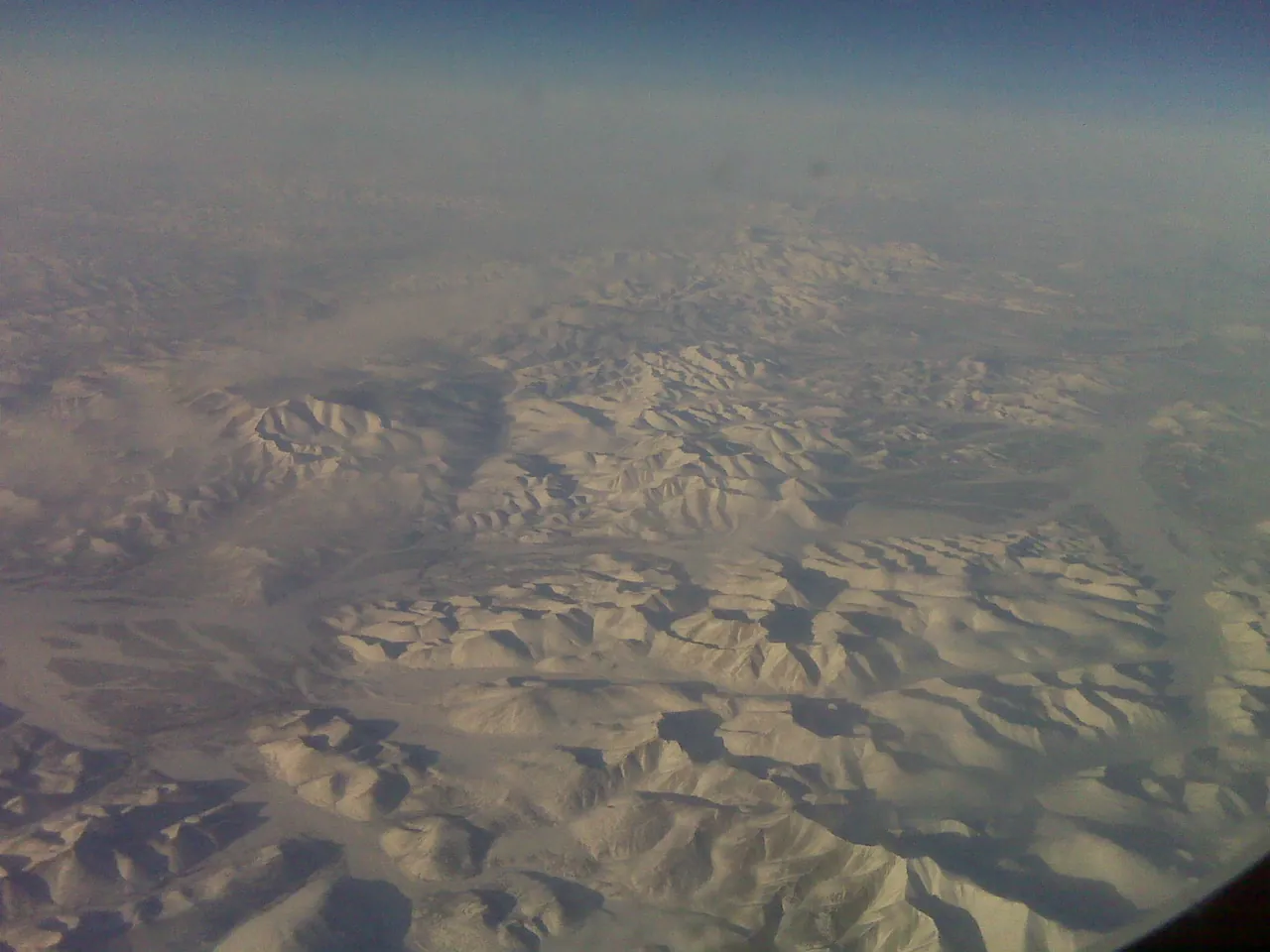
The next day Pugachov climbed to a pass and looked down at the highway. It was filled with trucks and soldiers for tens of miles.
The whole region had been turned out to hunt them. Pugachov split his force.
Eight men would hide in the haystacks in the swamp. Four men would go and check the ravine.
Read More:
 The student who ran a crack gang for a day
In the ravine the soldiers came on fast. Levitsky turned, fired and fell.
A bullet had struck him square in the eye. Georgadze stopped the soldiers with a burst from his machine-gun.
Then the gun jammed. Khrustalyov shouted to Pugachov: “Go on alone. I’ll cover you.”
He caught up with Pugachov, shouted “They’re coming,” and fell. Pugachov leaped into the river-bed and ran until his strength failed.
At the haystacks the soldiers rushed the swamp. The first attack was repulsed.
The soldiers had brought a convict paramedic, Yasha Kushen, with them. He crawled to a wounded man and was shot in the shoulder.
Bobylyov, the head of the guards, shouted at the men to surrender. Ivashenko shot him in the forehead.
Soldatov was wounded in both legs. Ivashenko’s head fell on his shoulder.
He was dead. “Another haystack fell silent,” Shalamov wrote.
“A dozen bodies lay in the marsh.” Soldatov kept shooting until he was struck in the head and lost consciousness.
Another haystack fell silent.
The news reached Major General Artemyev, one of the four generals of Kolyma and the chief of the whole camp system. He summoned a surgeon, Nikolay Braude, to the village of Lichan.
The journey was about twenty miles. It took three hours because of the roadblocks.
“Twenty-eight dead in the first battle,” Artemyev told the surgeon. Braude worked until evening.
Among the wounded there were only soldiers of the guard. There were no escapees.
The escapees had all been killed where they fought, except one.
The next day the first and only living escapee was brought in. It was Soldatov.
He was unconscious. Both his shin-bones and his left shoulder had been broken by bullets.
He had a head wound and damage to the parietal bone. He was taken to the central hospital.
Two trucks drove away from the battlefield. One carried the dead escapees.
The other carried the dead soldiers.
Pugachov was not found. He crawled into a cave, a bear’s den.
He remembered his mother. He remembered his schoolteacher, Maria Ivanovna, in her quilted jacket of threadbare black velvet turning red.
He remembered his eleven dead comrades. They were the best men he had known in his life.
He picked a blueberry, last year’s wrinkled fruit, tasteless as snow water. He remembered Ashot’s surname: Khachaturian.
He remembered each of them, one after the other. He smiled at each.
Then he put the muzzle of his pistol in his mouth and fired.
Soldatov recovered. He was to be shot.
His was the only death sentence out of the sixty men tried by the military tribunal. The local camp head got ten years.
Dr Potalina was acquitted. Artemyev was removed from his position.
Source: Varlam Shalamov, Kolyma Tales, “Major Pugachov’s Last Battle”.
Author Profile

- The Grand Lines covers news that impacts lives, uncovers truths, and keeps you fully informed.
Latest Entries
 True StoriesNovember 23, 2026Twelve men fought their way out of a death camp
- Predictive AlertsNovember 23, 2026Faisalabad AQI 179 Unhealthy at 7:00 AM
- FaisalabadNovember 22, 202695 Feeders Off on Monday, 88 More on Tuesday
- FaisalabadNovember 22, 2026JI to hold power show at Minar-e-Pakistan on 29 Nov